Whether you own a family home, a buy-to-let portfolio, a shop, an office, a warehouse, or a block of flats, protecting your property has never been more important. Rising rebuild costs, extreme weather events, tenant-related risks, theft, vandalism, escape of water claims, and increasingly complex legal responsibilities mean that property owners face an ever-growing range of risks.
Property insurance provides essential protection against these risks, helping homeowners, landlords, property investors, and business owners recover from unexpected events that could otherwise result in substantial losses.
In the UK, property insurance is not a single product. Instead, it encompasses a wide range of specialist covers designed for different property types and ownership structures. Residential property owners, for example, often require:
- Buildings insurance
- Contents insurance
- landlord insurance
- Holiday let insurance
- Unoccupied property insurance
- Listed buildings cover
Commercial property owners, on the other hand, need:
- Commercial buildings insurance
- Commercial landlord insurance
- Loss of rent cover
- Business interruption insurance
- Mixed-use insurance for
- Public liability insurance
For example:
- A homeowner in Hull will need buildings and contents insurance to protect against fire, flood, storm damage, or escape of water
- A residential landlord with a portfolio of buy-to-let properties will require landlord insurance, rent guarantee cover, and legal expenses insurance
- The owner of an empty property will need specialist unoccupied property insurance
- A retail business owner who owns the shop they trade from will require commercial property insurance to protect the building, its stock, fixtures, and public liability insurance in case a member of the public is injured or has their property damaged while on the premises
- An investor owning offices, warehouses, industrial units, or mixed-use properties may
require comprehensive property owners’ insurance covering multiple buildings under one policy
Property owners across the UK face a range of challenges in 2026. Some, such as damage to their building or stock, are well-known. Others are new and require specialist cover that they wouldn’t have needed even a couple of years ago, such as:
- Climate change property cover
- Flood resilience insurance
- Smart building insurance
- Renewable energy property insurance
- Environmental, Social, and Governance insurance (ESG insurance)
- Build-to-rent insurance
- Electric vehicle infrastructure insurance
- Battery energy storage system (BESS) insurance
Other issues include rising construction costs continuing to push up rebuilding expenses across both residential and commercial property sectors. This has meant that 66% of commercial properties and 76% of the UK’s residential properties are now underinsured, according to the Chartered Institute of Insurance (CII). At the same time, inflation, labour shortages, and supply chain disruptions have increased repair costs following property damage claims.
How The Complete Guide to Property Insurance 2026 Can Help You
To help you protect your property, we’ve put together this comprehensive guide to property insurance. In it, we’ll explain everything UK property owners need to know about property insurance in 2026. We’ll cover the different types of residential and commercial property insurance available, the key risks affecting property owners today, common claims, specialist covers for unusual properties, ways to reduce insurance premiums, and practical steps to ensure your buildings are adequately protected.
Whether you’re a homeowner, residential landlord, property developer, commercial landlord, business owner, or property investor, this guide will help you understand the insurance solutions available and help you make more informed decisions about protecting one of your most valuable assets.
We hope it will be useful, but if you’d like some personalised, independent advice, then please get in touch. You can call our award-winning team on 01482 434343, get a property insurance quote or request a callback.
Andy
About The Author
Andy Price Dip. CII is the founder and Managing Director of the Coversure Hull Group, one of the UK’s leading independent property insurance brokers. The holder of the Diploma in Insurance, Andy has over 25 years of property insurance experience and is trusted by thousands of UK residential and commercial property owners who have rated his team as ‘Exceptional’ on feefo, with a 4.9/5 rating.
What Is Property Insurance?
Property insurance is a broad category of insurance designed to protect homes and commercial buildings against financial losses caused by events such as:
- Fire
- Flood
- Explosions
- Storm damage
- Theft
- Vandalism
- Subsidence
- Escape of water
- Flood
- Being unoccupied
Depending on the policy, it can also provide cover for:
- Loss of rental income
- Public liabilities
- Legal disputes
- Business interruption
- Alternative accommodation costs
- Landlords’ contents
- Environmental issues
What Types Of Property Insurance Are Available?
There are dozens of policies on the market, the most common ones being:
- Buildings insurance
- Contents insurance
- Combined buildings and contents
- Home insurance
- Commercial property owners’ insurance
- Commercial landlord insurance
- Residential landlord insurance
- Rent guarantee insurance
- Unoccupied property insurance
- Holiday home insurance
- Holiday let insurance
- High net worth home insurance
- Listed building insurance
- Second home insurance
- Non-standard home insurance
- Flood insurance
- Student let insurance
- House in Multiple Occupation, HMO insurance
- Blocks of flats insurance
- Office insurance
- Shop insurance
- Warehouse insurance
- Factory insurance
- Industrial unit insurance
- Pub, café, bar, and restaurant insurance
- Property developers’ insurance
- Contractors’ all risks/ CAR insurance
- Property portfolio insurance
- Mixed commercial and residential insurance
- Self-build cover
- Renovation insurance
- Park home/static caravan insurance
- Squatter insurance
- Solar panel insurance
- Heat pump insurance
- Defective title insurance
- Restrictive covenant insurance
- Planning permission insurance
- Building regulations indemnity insurance
- Climate change property insurance
- Smart building insurance
- Renewable energy property insurance
- ESG property insurance
- Build-to-rent insurance
- Net Zero building insurance
- EV infrastructure insurance
- Battery energy storage system (BESS) insurance
Some of these policies, such as buildings insurance, are universal, while others, such as smart building insurance, are niche. In this guide, we’ll look at all of these in turn, starting with those that cover commercial property insurance.
Commercial Property Insurance Guide
What Is Commercial Property Insurance?
Commercial property insurance protects business premises, such as offices, retail spaces, warehouses, and factories and the contents inside them. It covers the costs of repairing or rebuilding damages caused by unexpected events like fires, floods, storms, explosions or theft.
Who Needs Commercial Property Insurance?
People who own business premises such as:
- Shops
- Offices
- Warehouses
- Showrooms
- Factories
- Cafés, bars, pubs, and restaurants
- Workshops
What Can It Cover?
Commercial property policies can include a wide range of protections depending on your requirements. The most common policy elements are:
- Buildings insurance – which covers the physical structure of your premises, including walls, roofs, floors and permanent fixtures
- Contents insurance – protects business contents such as furniture, stock, fixtures, fittings, counters, shelving, workbenches, materials and tools
- Accidental damage – cover for sudden and unexpected damage caused by events such as:
- Fire
- Flood
- Storms
- Explosions
- Lightning
- Impact damage
- Escape of water
- Theft – of goods, materials, money or other valuables left in your premises
- Vandalism – covering malicious damage, arson and riot-related losses
- Property owners’ liability insurance – protects property owners against legal claims should someone be injured or have their property is damaged while visiting your premises
- Business interruption insurance – provides you with an income should your business premises be made unusable following an insured event such as a fire or flood
- Loss of rent insurance – covers lost rent if tenants cannot occupy the building
- Legal expenses insurance – covers legal costs relating to property disputes, including tenant disputes for landlords, employment issues or tax investigations
- Common policy extensions include:
- Terrorism insurance – offers financial compensation in the event of a terrorist attack. This doesn’t cover cyber-attacks by a terrorist organisation
- Alternative accommodation insurance – covers the cost of tenants having to trade from another building
- Trace and access cover – finds the source of things like water leaks, gas leaks and pipe breakages. Many people assume this is included on standard cover. It’s not, and searches typically cost between £350 and £1,300+ depending on the location/complexity
- Accidental damage – covers accidental damage by owners or tenants. Common claims are for broken windows, damage during maintenance work, and internal building damage
- Subsidence, heave and landslip cover – provides compensation should the building be damaged by structural movement such as clay shrinkage due to drought, ground movement, tree root damage, or geological instability
- Malicious damage by tenants – this can be important for commercial landlords, especially if they are providing expensive content
- Loss of attraction cover – an important cover for retailers, bars, restaurants, and other leisure and hospitality businesses as it covers loss of rental income resulting from reduced visitor numbers after nearby incidents
- Environmental liability cover – covers pollution and environmental damage claims, including legal fees, fines, and compensation. Stricter environmental legislation has made this one of the fastest-growing areas of commercial property insurance, especially for manufacturers, warehouse owners, and food processors
- Engineering inspection cover – pays for the inspection and repair of equipment. Everything from lifts and boilers to air conditioning systems and heater
What Isn’t Covered By Commercial Property Insurance?
Most policies exclude:
- General wear and tear
- Poor maintenance
- Mechanical breakdown
- Structural defects
- Pest or vermin damage
- Illegal activity
- Employee dishonesty
- Theft without forced entry
- Gradual deterioration
- Flooding without specialist flood cover
- Long-term unoccupied property risks
- Faulty workmanship or defective construction
How Much Does Commercial Property Insurance Cost?
Smaller properties cost anywhere from £200–£400 per year. Larger, higher risk premises such as a factory or a haulage yard can cost significantly more. A haulage insurance client of ours pays just under £4,000 per year. It was over £6,000, but by fitting CCTV, security lights and completing a risk assessment with us that exposed risks such as poorly secured outbuildings, we were able to negotiate a much better rate.
Commercial property insurance quotes will be dependent on things like:
- The rebuild value
- Property location and postcode
- Property size and type
- Nature of the business
- Flood risk
- Security measures
- Claims history
- Occupancy status
- Value of contents and equipment
How To Reduce Commercial Property Insurance Costs
Premiums have risen by around 30% since the pandemic owing to a surge in labour, construction and material costs, and general inflation, according to the ABI. The market has softened in 2026, but with premiums at historic highs, reducing quotes is important. There are several ways you can potentially reduce premiums.
- Use a specialist independent broker – they’ll know the risks, can consult multiple insurers and underwriters and negotiate on your behalf
- Improve security – installing alarms, CCTV, shutters and monitored security systems can reduce premiums
- Raise your excess – choosing a higher voluntary excess may lower your premiums. A client of ours who has three shops and a warehouse in Hull raised her excess by 10% and cut her premiums by £378. Raising your excess signals to insurers that you’re less likely to make a claim and will also reduce the chances of making small claims, as the excess means they aren’t cost-effective
- Maintain your property – well-maintained buildings present lower risks to insurers and reduce the chances of them being broken into
- Pay annually – paying annually can avoid monthly finance charges and interest payments
- Review your rebuild valuation – accurate rebuild valuations help avoid underinsurance and overpaying for cover. Rebuild costs are an important consideration when underwriters review risks, and if yours are too high, this can lead to higher premiums than necessary
Commercial Landlord Insurance
What Is Commercial Landlord Insurance?
Commercial landlord insurance protects commercial properties such as shops and offices when they are rented out to another business. It can offer business landlords cover for their buildings, contents, public liability risks, and loss of rent. It covers a greater number of risks than standard commercial property insurance, such as:
- Property owners’ liability insurance – which protects you if someone is injured or their property is damaged while they are on your premises
- Legal expenses insurance – should you fall into a dispute with a tenant or need to evict squatters
- Loss of rent insurance – if tenants stop paying rent or need to move following a flood or fire, you’ll continue to get your rent until they can move back in
- Tenant relocation insurance – if you need to relocate them following a disaster such as a fire
What Is Not Covered By Commercial Landlord Insurance?
Common exclusions include:
- General wear and tear
- Poor maintenance
- Deliberate damage by the landlord
- Unoccupied properties beyond policy limits of being empty, typically 30 days or more
- Pest infestations
- Pre-existing damage
- Mechanical breakdown
- Certain high-risk tenants without disclosure – these include asylum seekers and students
Always check your policy wording carefully with your broker to understand exclusions, limits and conditions
Who Needs Commercial Landlord Insurance?
If you own a building that’s rented out to business tenants, you will need commercial landlord insurance. Standard commercial property insurance won’t give you the protection you need.
What Types Of Properties Can Commercial Landlord Insurance Protect?
It can protect almost all types of business premises, including:
- Offices and serviced office buildings
- Shops and other retail units
- Pubs, bars and restaurants
- Cafés, takeaways and commercial kitchens
- Warehouses and distribution centres
- Factories and manufacturing premises
- Workshops and industrial units
- Business parks and multi-unit commercial estates
- Hotels, guest houses and other hospitality properties
- Doctors’ surgeries, dentists and private clinics
- Care homes and supported-living properties
- Nurseries and private educational premises
- Garages, MOT centres and vehicle-repair workshops
- Agricultural buildings and commercial farm premises
- Leisure centres, gyms and sports facilities
- Community buildings and places of worship
- Mixed-use properties, such as a shop with flats above
- Unoccupied commercial properties
- Properties undergoing refurbishment or conversion
- Listed buildings and other non-standard properties
How Much Does Commercial Landlord Insurance Cost?
From around £180 per year for a small unit to several thousand for large/complex properties such as a department store or a manufacturing plant. Quotes will depend on things like:
- The building’s postcode
- What it’s being used for
- The rebuild costs
- The market value
- The level of security that’s in place
- What your tenant’s business is – higher-risk businesses, such as those cooking with hot oil or using chemicals or hazardous materials, will be more expensive
- If there are any contents, and how much they are worth
- Whether it’s at risk of flooding or from coastal erosion
- Your claims history
- If there are any environmental risks
How To Get Cheaper Commercial Landlord Insurance
While these are broadly the same as those for commercial property owners (see above), others apply to commercial landlord cover:
- Get a multi-property insurance policy if you have more than one property to cover
- Conduct a risk assessment with your broker
- Vet tenants– lower-risk tenants (e.g., professional businesses vs. high-risk manufacturing) can lead to lower premiums. Also, get references that you can share with your insurer
- Use full repairing leases – these make the tenant responsible for insurance, maintenance, and repairs, allowing you to pass on, or reduce, insurance expenses
Commercial Landlord Insurance FAQ
Is commercial landlord insurance a legal requirement?
A. No, but if you have a mortgage, then your lender will likely insist on you having buildings insurance in place
Why do I need special commercial landlord insurance rather than just landlord insurance?
A. Owing to the nature of the building’s use, commercial properties represent a greater risk, so insurers require the specific cover that commercial property landlord insurance offers
What types of commercial property can be covered?
A. Shops, offices, warehouses, factories, cafés, salons, logistics hubs and all other E Class properties can be covered
Do commercial property landlords need contents insurance?
A. It’s a good idea to have contents insurance in place as it can cover things like fixtures and fittings, and any equipment you have provided, from loss, accidental damage or theft
Are there any other policies commercial landlords should have?
A. Yes, and business interruption insurance is one of the most popular. Business interruption insurance for landlords covers you if you’re forced to close your premises following a disaster such as a fire or flood. It will cover any shortfall in pre-tax profits resulting from your tenants being unable to work from your premises and any increased costs in running your business because of the event, such as extra accountants’, solicitors’ or architects’ fees
How much does commercial property insurance cost?
Anywhere from £180 per year to several thousand. It depends on things such as the rebuild costs of the property, its postcode, the level of security it has, if it is at risk of flooding, and your claims history
How can I get a residential landlord insurance quote?
You can get a commercial landlord insurance quote by calling 01482 434343, or request a callback and one of the team will get back to you as soon as possible
Commercial Property Insurance Issues
Commercial property use is highly regulated in the UK, and there are several issues that owners must deal with.
Property Underinsurance
66% of commercial properties are underinsured, leaving them vulnerable to shortfalls of tens if not hundreds of thousands of pounds in the event of a claim
Why Does Property Underinsurance Occur?
There are several reasons for property underinsurance:
- The reinstatement value is too low – this isn’t the market value of the building, rather the amount it would cost to rebuild it. It includes construction costs, demolition and site clearance, architect’s and surveyor’s fees, planning charges, labour costs, etc. The cost of this is frequently significantly higher than the property’s market value
- Contents cover is too low – most commercial policies and some home contents policies are calculated on a reinstatement basis (new for old) rather than an indemnity settlement (used/second hand) one. When it comes to commercial properties and businesses, it’s important to make sure that your contents cover is sufficient to cover the cost of buying a new replacement and not the price you have paid or a second-hand value. Business contents routinely have their values written down on balance sheets, and this can lead to a shortfall in contents cover
- Business interruption indemnity periods are too short – business interruption insurance – the cover that can provide you with an income if you’re unable to trade – is often underestimated by business owners. The main reason for this is a lack of advice on how long they should have written into their policy. Unless you happen to be in construction or have been affected by a disaster that has forced you to close in the past, it’s unlikely that you will know quite how long it will take to get your premises refurbished after a flood or fire, how long it will take for essential services to be restored or how long rebuilding your customer base will take
Why Is Property Underinsurance A Problem?
Owing to the ‘average condition clause’, in the event of a claim, insurers can pay a percentage of the claim based on the amount you have insured the property for. It can end up costing tens if not hundreds of thousands of pounds in the event of a claim, as this underinsurance case study shows
Property Underinsurance Case Study:
Mr and Mrs T. have owned a shop in Hull for over 10 years. The property’s rebuild value was assessed when they bought it and set at £250,000. Two years ago, there was a fire, and the shop was destroyed.
They got quotes for rebuilding it, including demolition and site clearance costs, architects and surveyors’ fees, builders’ and shop fitters’ estimates. In total the sum came to just over £500,000, with the work estimated to take 8-9 months to complete.
As they were underinsured by 50%, the insurer invoked the average condition clause. They reduced the claim payment by the same amount, i.e. 50%. The total sum insured was £250,000, so they only received £125,000 – leaving them to find £375,000+ to rebuild their property.
While it wasn’t the case with Mr & Mrs T, if the underinsurance is believed to be deliberate or reckless, the insurer could have voided the policy and paid them nothing.
How To Avoid The Property Underinsurance Trap?
Talk to your broker and get them to look at your existing cover limits. You should also get a rebuild assessment. A basic one can be done online at the ABI website, or you can arrange a survey with Rebuild Cost Assessment. Once you have the correct sums insured figure, your broker can adjust the limits.
Climate Change
Floods and other extreme weather risks are becoming more common and more severe. Climate change is increasing the frequency and severity of:
- Flooding
- Storm damage
- High winds
- Subsidence
- Water getting in
Properties located near rivers, coastal areas, or historic flood zones are particularly vulnerable. Insurers are becoming more selective about flood-exposed commercial properties and may increase premiums, impose higher excesses, or even refuse to offer cover. You can reduce the impact of this by:
- Conducting a flood risk assessment
- Installing flood barriers and drainage improvements such as sump pumps and non-return valves
- Maintaining roofs, gutters and drainage systems
- Developing a business continuity plan in case of there being an issue
- Using heat-resistant paint and other materials as part of general maintenance
- Raised electrical installations
- Remote monitoring systems
- Working with specialist brokers that have access to insurers experienced in higher-risk properties or who can offer you climate change property insurance
Increasing Public Liability Insurance Claims
Public liability claims are rising in the UK, with the Compensation Recovery Unit (CRU) reporting that 2025 saw a 10% reaching over 64,000 registered cases. Commercial property owners can face substantial claims and are particularly at risk, as they can come from:
- Tenants
- Visitors
- Contractors
- Members of the public
Common causes of claims include:
- Slips and trips
- Falling masonry
- Unsafe car parks
- Defective lifts
- Fire safety failures
Compensation awards and legal costs have also risen, which has made insurers wary and premiums rise. Property owners can reduce the risks of a claim by:
- Maintaining robust property maintenance programmes.
- Conducting regular risk assessments.
- Keeping accurate inspection records.
- Ensuring adequate public liability insurance limits.
- Using qualified contractors for repairs and maintenance.
Escape Of Water Claims
Water damage is one of the most frequent and expensive causes of commercial property claims. Common causes include:
- Burst pipes
- Leaking roofs
- Failed plumbing systems
- Faulty heating systems
- Frozen pipework
- Porous walls or pointing
- Defective window/door seals
- Groundwater seeping into cellars
A major escape of water incident can easily result in six-figure repair bills and business interruption losses. To combat these, you can:
- Install leak detection devices such as a water leak detector
- Conduct regular plumbing inspections
- Maintain heating systems
- Insulate exposed pipework
- Use automatic shut-off devices
- Have cellars lined
- Put heating systems on timers during the winter whether the property is occupied or not
- Check and repair leaking windows and doors
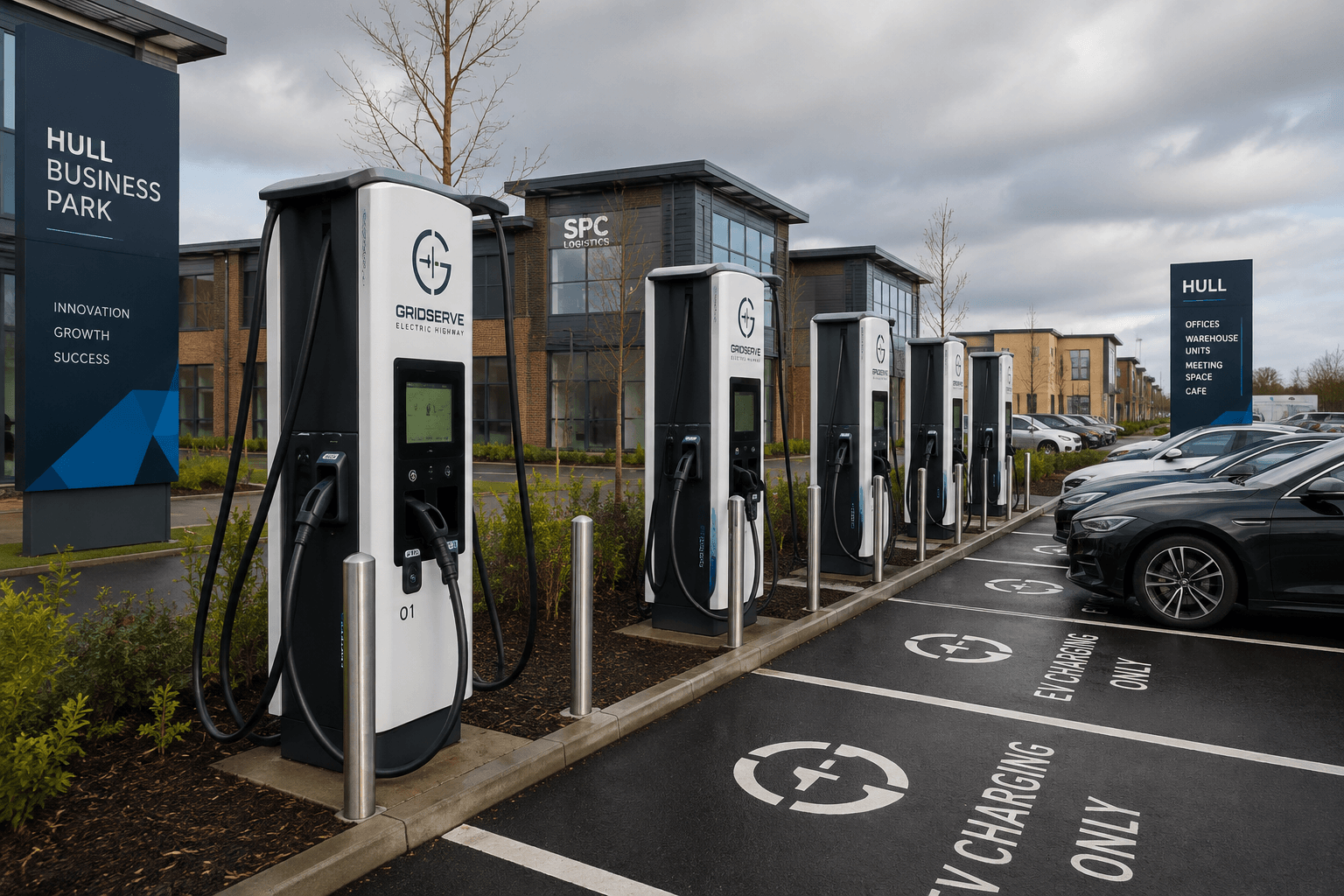
Electric Vehicle Chargers
Over 48% of commercial sites now have electric vehicle (EV) chargers. Convenience and reduced charging costs have made this popular, but they do bring risks:
- Fire and property damage from lithium batteries
- Raised liability risks from cables
- Theft of cables and charging equipment
- Cyber-attacks via the chargers and the vehicles
With the government committed to making all vehicles electrically powered, the number of firms with EV chargers will rise. To mitigate the risks, you can:
- Place CCTV around chargers
- Add security lights around them to deter theft and trips
- Ensure firewalls and other IT security are up to date
- Install AVD (Aqueous Vermiculite Dispersion) or Lith-Ex or LFX fire extinguishers. These are suitable for battery fires
Business Interruption Exposure
Whether you use your own premises for business or rent your building to another, business interruption is an increasing problem. Severe weather events have increased risks like flooding, wind damage, and fires and have meant more premises are being left temporarily unusable. Increased materials costs, planning issues, and a shortage of skilled labour have meant the length of time businesses are interrupted for has also risen. Many policies contain insufficient indemnity periods. The solution is:
- Review business interruption sums insured with your broker
- Consider 24, 36, or even 48-month indemnity periods
- Include loss of rent cover
- Review portfolio-wide exposures
Business Interruption Insurance Case Study
In 2024, a client of ours who owns a bakery had a fire. While the premises weren’t especially large at just over 900 square feet, delays in getting contractors, materials, and safety inspections meant that it was closed for 16 months. Based on previous experience, we’d recommended they had 24 months of cover in place. Without it, the business would have likely closed for good.
Commercial Property Insurance FAQs
Is commercial property insurance legally required?
No, but mortgage lenders usually require buildings insurance.
Does commercial property insurance cover flood damage?
Standard policies may exclude flooding unless flood cover is specifically included.
What is property owners’ liability insurance?
It protects property owners if someone is injured or their property is damaged while visiting the premises.
Can vacant commercial properties be insured?
Yes, but you’ll usually need specialist unoccupied commercial property insurance.
What’s the difference between rebuild value and market value?
Rebuild value is the cost to reconstruct the building. Market value is what the property could sell for.
Does commercial property insurance include contents cover?
Contents insurance is usually optional and can cover stock, equipment and fixtures.
Can landlords get commercial property insurance?
Yes. Commercial landlord insurance is available for rented premises.
Does commercial property insurance cover business interruption?
Business interruption cover can usually be added as an optional extension.
How can I get a commercial property insurance quote?
You can get a commercial property insurance quote by calling 01482 434343, or request a callback and one of the team will get back to you as soon as possible.
Residential Property Insurance Guide
Residential property insurance accounts for around 55% of the UK’s property insurance market. That’s not surprising as it includes common covers like home insurance. What does surprise people is the range of residential property covers. From landlord insurance to listed buildings and high net worth home insurance, there’s something for all homeowners.
What Is Residential Property Insurance?
Residential property insurance can protect the buildings and contents of people’s homes against risks including fires, storms, floods, or theft. It’s suitable for homeowners, people who rent, and landlords.
What Types Of Residential Property Insurance Are There?
The most common types of residential property insurance are:
- Buildings insurance
- Contents insurance
- Combined buildings and contents insurance
- Home insurance
- Landlord insurance
- HMO insurance
- Unoccupied property insurance
- Home emergency cover
- Holiday let insurance
- Listed buildings cover
- Trace and access insurance
- High net worth home insurance
- Listed building insurance
- Second home insurance
- Non-standard home insurance
- Flood insurance
- Self-build cover
- Renovation insurance
- Park home/static caravan insurance
- Solar panel insurance
- Heat pump insurance
- Defective title insurance
- Restrictive covenant insurance
- Planning permission insurance
- Building regulations indemnity insurance
Increasingly popular emerging policies include:
- Climate change property insurance
- Smart home insurance
- Renewable energy property insurance
- ESG property insurance
- Build-to-rent insurance
- Net Zero building insurance
- EV infrastructure insurance
- Battery energy storage system (BESS) insurance
I’ll look at these in turn, but there are three main types of residential property insurance:
- Buildings Insurance – covers the physical structure of your property, including walls, roofs, floors and permanent fixtures. It can cover risks including accidental damage, flood, fire, storms, explosion and even destruction. While it’s not a legal requirement, most mortgage lenders will insist upon you having cover. If you rent your home, you won’t need to take this out as it’s usually the responsibility of the landlord
- Contents insurance – protects your property’s contents such as furniture, appliances, and fixtures and fittings. Contents cover may be offered on a new-for-old (reinstatement basis) or a used/second hand (indemnity settlement) one. The former is more expensive. Insured incidents include theft, accidental damage, and loss. If you’re renting your property, you should get contents insurance as landlords usually don’t offer cover
- Combined buildings and contents insurance – known as combined home insurance, this offers buildings and contents cover on one policy. Not only is this cheaper than getting two separate policies, but it also makes life easier in the event of a claim
Home Insurance
Home insurance protects owner-occupier properties, and most people take out combined buildings and contents insurance. Some people, unwisely in my opinion, will take out buildings but not contents insurance.
How Much Does Home Insurance Cost?
The average cost of buildings and contents insurance in the UK is around £300 per year. Buildings-only averages around £189 per year, while contents-only cover costs anywhere around £50 to £130 per year for the average home. Expensive homes and those with expensive contents can pay significantly more. Factors that make up the cost of home insurance include:
- Its postcode
- The level of security
- Its state of repair
- The property type – flats, homes with flat roofs, thatched roofs, or using non-standard building materials can all cost more to cover
- The value of your contents
- The level of excess you’re willing to pay
- If you want optional extras such as cover for possessions when you’re not at home
- Your claims history
- If the property’s prone to flooding
Residential Landlord Insurance
What Is Residential Landlord Insurance?
Residential landlord insurance protects residential properties such as flats and houses when they are rented out to people. It can offer landlords’ buildings, contents, public liability risks, legal disputes and loss of rent amongst other things. It’s important as it covers a number that home insurance won’t, such as:
- Property owners’ liability insurance – which protects you if someone is injured or their property is damaged while they are on your premises
- Legal expenses insurance – should you fall into a dispute with a tenant or need to evict squatters it will cover the costs of bringing the action
- Contents – if you rent the property as furnished, you’ll want to insure your contents against theft, loss, or accidental damage. Landlords’ contents insurance doesn’t cover tenants’ contents, and they will need to take their own cover out
- Rent guarantee insurance – compensates landlords if rent cannot be collected because an insured event makes the property uninhabitable
- Loss of rent insurance – if tenants stop paying rent or need to move following a flood or fire, you’ll continue to get your rent until they can move back in
- Tenant relocation insurance – if you need to relocate them following a disaster such as a flood
- Accidental damage cover – if a window or fixture or fitting is accidentally damaged, you can claim for a repair or a replacement
- Malicious damage by tenants – allows landlords to claim for repairs or replacements should their tenants deliberately damage the building or its contents
- Theft by tenants – allows landlords to claim for replacement items should their tenants steal from them
What Is Not Covered By Residential Landlord Insurance?
Common exclusions can include:
- General wear and tear
- Poor maintenance
- Deliberate damage by the landlord
- Unoccupied properties beyond policy limits of being empty, typically 30 days or more
- Pest infestations
- Pre-existing damage
- Mechanical breakdown
- Certain high-risk tenants without disclosure – these include asylum seekers and students
Always check your policy wording carefully with your broker to understand exclusions, limits and conditions.
Who Needs Residential Landlord Insurance?
If you own a building that’s rented out to residential tenants, you will need landlord insurance. While it’s not a legal requirement, if you try to rely on home insurance, it’s likely that the insurer will refuse any claims and will probably void the policy.
What Types Of Properties Can Residential Landlord Insurance Protect?
It can protect almost all types of properties, including:
- Flats
- Houses
- Maisonettes
- Houses under multiple occupation (HMO)
- Buy-to-let properties
- Blocks of flats
- Student lets
- Holiday lets
How Much Does Residential Landlord Insurance Cost?
Basic buildings and landlord liability cover costs from £285 per year for a small property, rising to around £350 to £2,500+ per flat for a block of flats. Quotes will depend on things like:
- The building’s postcode
- The rebuild costs
- The market value
- The level of security that’s in place
- The condition of the building
- If you have any communal/public areas
- The number of tenants you have
- If they have shared facilities such as bathrooms, kitchens, fire escapes
- The type of tenant(s) you have – a professional couple will be cheaper than asylum seekers or students, for example
- If you want contents insurance, and if so, how much
- Whether it’s at risk of flooding or from coastal erosion
- Whether you want to pay annually or monthly; annually will be cheaper
- If there are any environmental risks
- How long you have been a landlord for
- Your claims history
How To Get Cheaper Residential Landlord Insurance
- Increase your voluntary excess
- Improve your property’s security
- Use a specialist independent broker – they will have access to specialist policies from a range of insurers, and negotiate better rates for you
- Renew early – give your broker at least 30 days to find you a good renewal quote
- Get a multi-property insurance policy if you have more than one property to cover
- Conduct a risk assessment with your broker
- Vet tenants – lower-risk tenants (e.g., professionals vs. students) can lead to lower premiums. Also, get references that you can share with your insurer
- Use full repairing leases – these make the tenant responsible for insurance, maintenance, and repairs, allowing you to pass on, or reduce, insurance expenses
Residential Landlord Insurance FAQ
Is residential landlord insurance a legal requirement?
No, but if you have a mortgage, then your lender will likely insist on you having buildings insurance in place
Why do I need landlord insurance rather than just home insurance?
As rented properties present public liability, tenant, and legal risks that aren’t associated with owner-occupied properties, and the chances of a claim are higher
What types of property can be covered?
Flats, houses, maisonettes, HMOs, buy-to-let properties, holiday lets, and blocks of flats are the most common types
Do residential landlords need contents insurance?
It’s a good idea to have contents insurance in place as it can cover things like fixtures and fittings
Does landlords’ contents insurance cover tenants’ contents?
No, they will have to take out their own cover
Are there any other policies commercial landlords should have?
Landlord home emergency cover protects against urgent/ unexpected property failures. Policies can cover boiler breakdowns, central heating failures, plumbing repairs, and blocked drains
How much does residential insurance cost?
From £285 per year for a small property, rising to around £350 to £2,500+ per flat for a block of flats. It depends on things such as the rebuild costs of the property, its postcode, the level of security it has, if it is at risk of flooding, and your claims history
How can I get a residential landlord insurance quote?
You can get a landlord insurance quote by calling 01482 434343, or request a callback and one of the team will get back to you as soon as possible
HMO Insurance
What Is Houses Under Multiple Occupancy Insurance?
HMO insurance protects properties rented to three or more unrelated people from different households that share communal facilities like bathrooms and kitchens. Owning an HMO involves following rules such as providing space for tenants, installing sufficient facilities – particularly enough bathrooms – and ensuring safety measures such as smoke detectors and fire doors are in place. HMO landlords therefore face specific risks that may not be covered by a standard landlord insurance policy.
Why Do Landlords Need HMO Insurance?
Because having an HMO brings specific risks that standard landlord insurance won’t cover:
- Higher tenant turnover
- A greater chance of buildings or contents insurance claims
- Increased landlord’s liability issues
- Increased chances of loss of rent
What Types Of HMO Landlord Insurance Are There?
There are two types of HMO landlord insurance:
- HMO buildings insurance – this protects your building, but unlike landlord’s buildings insurance, you have the option to cover specific HMO landlord risks posed by your tenants. These options include things like accidental damage and malicious damage
- HMO contents insurance – while your tenants’ contents will need to be insured by your tenants, contents found in communal areas, kitchens and hallways can be insured against loss or damage
What Does HMO Insurance Cover?
As well as protecting your property and its contents, HMO landlord insurance can offer these important covers:
- Landlord’s liability insurance – offers you financial protection should someone – a tenant or a visitor – be injured or have their property damaged while on your property. A wide-ranging policy that can cover everything from the costs of defending the case to compensation claims, medical bills and loss of income. Having an HMO and multiple tenants often increases the risk of a liability claim as there are more people at risk, so having landlord’s liability insurance as part of your HMO insurance is seen as a key cover
- Loss of rent insurance – loss of rent insurance can help when your tenants must move out due to your property becoming uninhabitable following an insured event such as a fire. It can also help with the cost of alternative accommodation for your tenants
- Rent guarantee insurance – covers your rental income if your tenants are unable or unwilling to pay their rent. Even the most reliable tenants can experience financial difficulties, and the often-transitory nature of HMO tenants puts HMO landlords at particular risk of losing out on rental payments. It can cover lost rental for up to 12 months (monthly limits will usually apply), landlord legal expenses should you need to apply for an eviction order, and often a legal advice helpline. As it can take up to six months to evict a tenant, this is a cover that’s well worth taking out
- Replacement locks and keys insurance – replacement locks and keys insurance protects you if keys are lost or stolen. It covers the cost associated with replacing locks and keys to keep your property secure
How Much Does HMO Insurance Cost?
It ranges from £450 to £1,500 annually, depending on the size of the property, the number of bedrooms, and the level of cover.
- A 5-bedroom HMO insurance policy in the UK costs around £600
- A 5-bedroom HMO insurance policy in the UK costs around £750
- A 5-bedroom HMO insurance policy in the UK costs around £975
Specific factors in calculating premiums include:
- How many tenants do you have
- What type of tenants do you have, e.g. students, asylum seekers, local authority tenants
- How many properties do you have
- Your property’s postcode
- The policy limits you want to set
- Whether you want buildings insurance, contents insurance or a combination of the two
- Which policy extensions, e.g. rent guarantee insurance, do you wish to add
- The cost of rebuilding the property
- Your claims history
- Compliance with local council safety regulations such as fire alarms, smoke detectors, and emergency exits
How To Get Cheaper HMO Insurance
The easiest way to get cheaper HMO insurance is to use a specialist independent insurance broker such as Coversure. With our knowledge of this niche market and insurer relationships, we can help you get cheaper HMO landlord insurance quotes. Other ways include:
- Use an independent broker that specialises in HMO cover
- Raise your excess – the amount you pay in the event of a claim
- Choosing lower-risk tenant types – students, for example, are often seen as riskier
- Insuring multiple HMOs on one policy if you can on a multi-property landlord insurance policy
- Maintaining your property to reduce the risk of liability claims
- Reducing the number of policy add-ons such as keys insurance
- Choosing lower policy limits, if possible
- Be fully compliant with local authority regulations and present positive inspection reports
HMO Landlord Insurance FAQ
Is HMO insurance a legal requirement?
No, but given the number of risks it can cover on one policy it’s well worth taking out
Can I insure an HMO with landlord insurance?
No, most insurers won’t offer standard landlord insurance for an HMO as the risks of things like loss of rent, damage, and landlord liability risks are higher
How much landlord public liability insurance do I need?
That will depend on the type of property you have, the type and number of tenants, and other factors such as its location and if your local authority specifies a limit. The best way to get the correct policy limits for your rental property is to get some independent advice
Does HMO property insurance cover malicious damage?
It can, but it’s not always included in the policy. It is something we can easily arrange for you though
How much does HMO property insurance cost?
That will depend on things such as:
- How many tenants do you have
- What type of tenants do you have, e.g. students, asylum seekers, local authority tenants
- Your property’s postcode
- Whether you want buildings insurance, contents insurance or a combination of the two
- Which policy extensions, e.g. rent guarantee insurance, do you wish to add
- Your claims history
How can I get an HMO landlord insurance quote?
Getting a quote is easy. You can start your HMO insurance quote here or call us on 01482 434343 or request a callback
Unoccupied Property Insurance
What Is Unoccupied Property Insurance?
Unoccupied property insurance is a specialist cover designed to protect properties while they are empty. As the risks of things like burglary and vandalism rise when properties are left vacant, standard property insurance won’t cover empty properties. If a property is left vacant for as little as 30 days, insurers can reduce cover or cancel policies altogether.
Who Needs Unoccupied Property Insurance?
Anyone with a property that’s likely to be empty for 30 consecutive days or more should consider getting an unoccupied insurance quote. Most of our empty property insurance business covers:
- Homes undergoing probate
- Commercial properties awaiting tenants
- Residential properties awaiting tenants
- Properties being renovated
- Properties being sold
- Holiday homes
There are now over 1.1m empty homes in the UK according to Action On Empty Homes. Add to that the Office for National Statistics’ estimate that there are a further 165,000 empty commercial properties, and it’s not surprising that so many people need either home insurance for an empty house or an unoccupied commercial property insurance quote.
What Can Unoccupied Property Insurance Cover?
- Vandalism
- Storm damage,
- Owner’s liability insurance, so if your property damages something or injures someone, you’ll be covered against claims
- Oil and/or water leaks
- Fire
- Internal flooding
- Accidental damage
Policy extensions can also be arranged for:
- Legal expenses – if, for example, someone starts squatting in your home/premises while you’re away and you need to start legal proceedings to have them removed
- Public liability cover – in case, for example, a tree falls from your property and damages your neighbour’s home
What Isn’t Covered By Empty Property Insurance?
- Burglary through unforced entry – if you leave a door or window unlocked and your home/premises are burgled, your claim won’t be paid
- Renovations or building works – if you’re doing structural work on the property, damage isn’t normally covered
- Damage caused by poor maintenance – broken windows, faulty locks, blocked gutters causing water damage can all lead to claims not being paid
- Uninspected properties – many insurers will insist on regular visits being made to the property. If this condition isn’t met, cover may be voided
How Much Does Empty Property Insurance Cost?
Empty house insurance typically costs around £180 to £480 annually for every £100,000 of buildings cover. Prices can be higher depending on your location, the property’s condition, its levels of security, why it’s empty and for how long. Unoccupied commercial property typically costs between £400 and £5,000+ per year, depending on the size, location, and the duration of the vacancy. Roughly speaking, these policies are 20% more expensive than the equivalent occupied policy.
Why Is Unoccupied Property Insurance More Expensive?
The main reason is that insurers charge more as the risks are higher. If there’s a flood or a fire and no one’s there to report it, the damage can be much more severe. Also, many insurance brokers struggle to find competitive cover as they don’t have the insurer contacts to write this niche business.
How To Get Cheaper Empty Property Insurance?
- Making sure your property is secure
- Conducting regular visits and inspections
- Installing burglar alarms or web-based security equipment such as Ring doorbells
- Try to reduce the length of time it will be empty for
- Use a specialist independent insurance broker, one that has the necessary insurer contacts to get the cover you need
How Long Can Unoccupied Property Insurance Last?
There’s no fixed limit. Most people take out a policy and then cancel when the property becomes occupied. This can take weeks or months or even longer. Policies will need to be renewed after a year if the property is still empty, but you can keep renewing if you have to.
Empty Property Insurance FAQ
Why do I need empty property insurance?
As standard home, landlord, or commercial property insurance policies will see cover reduced after as little as 30 consecutive days
Who needs unoccupied property insurance?
If you have a property that’s going to be empty for a prolonged period – often 30 consecutive days or more – then you need to get an empty property insurance quote
Is empty property insurance just for homes?
No, it can cover residential, commercial and rented properties
What risks are covered by unoccupied property insurance?
Common risks that are covered by empty property insurance include vandalism, storm damage, property owners’ liability insurance, oil and/or water leaks, fire, internal flooding and accidental
How much does empty property insurance cost?
For a home, around £180 to £480 annually for every £100,000 of buildings cover. Unoccupied commercial property typically costs between £400 and £5,000+ per year, depending on the size, location, and the duration of the vacancy
Are there any policy requirements for vacant property insurance policies?
Yes, common requirements include having someone regularly visit and inspect the property, leaving the heating on during the winter months to prevent burst pipes and making sure it’s secure with no broken windows or broken locks on external doors
Is there anything empty property insurance won’t cover?
Yes, burglary through unforced entry, renovations or building works, builders and contractors, and damage caused by poor maintenance
Can second homes or holiday homes be covered by empty home insurance?
Yes, if your second home is going to be left vacant for long periods
How long can an unoccupied property insurance policy last for?
As long as you need. Most people have it for a few weeks or months, but it can last for a year or more
How can I save money on empty property insurance?
Make sure the property is secure and conduct regular visits and inspections. Installing burglar alarms, web-based cameras, and putting locks on gates and windows can all help
Does unoccupied property insurance cover properties under renovation?
Yes, but you may want to consider whether you need it. If the renovations are substantial enough to mean you must move out, then you may need unoccupied property insurance. Having builders in the property during the day won’t be enough to satisfy most insurers that the property is occupied. If you are going to stay at the property, either in the building itself or in a caravan on site, then you won’t need it.
How can I get an empty property insurance quote?
Getting a quote is easy. You can start your unoccupied insurance quote here or call us on 01482 434343 or request a callback
Home Emergency Cover
What Is Home Emergency Cover?
Home emergency cover is an optional add-on to home/landlord insurance that pays call-out charges, parts, and labour required to deal with sudden crises, such as a boiler breaking down or a broken window. It provides 24/7 helpline access to qualified tradespeople to secure your property or make temporary fixes to keep it habitable.
What Does Home Emergency Insurance Cover?
- Boiler and heating failures
- Plumbing and drainage – including burst pipes, leaking water cylinders, or blocked toilets and drains
- Home security – broken locks, doors, or windows resulting from vandalism or a break-in or accidental damage
- Power failures – sudden losses of electricity or gas to your property. It won’t cover network failures, which will be covered by the utility provider
- Roof damage – tiles blown being ripped off, or tree damage that causes leaks that threaten the interior
- Pest infestations – immediate removal of vermin and dangers such as wasps’ nests
What’s Not Covered By Home Emergency Cover?
- General wear and tear issues – dripping taps, an old boiler, out-of-date electrics
- Problems resulting from a lack of routine servicing/maintenance
- Resultant damage – it only covers the immediate fixes, not structural damage, which will be covered by buildings insurance
How Much Does Home Emergency Insurance Cost?
A standalone policy costs between £60 and £180 per year depending on the services you want covered. Many insurers will allow you to add it to a home insurance policy for as little as £20 per year. Cover for landlords costs between £50 and £170 per year as a standalone policy, while as an add-on to landlord insurance it can cost from £40 to over £200 annually depending on the level of protection required, the size of the property and the number of properties to be covered.
How Can I Get A Home Emergency Insurance Quote?
Getting a quote is easy. You can start your home emergency insurance quote or call us on 01482 434343 or request a callback
Holiday Let Insurance
What Is Holiday Let Insurance?
Holiday let insurance protects property owners who rent out their properties to paying guests on a short-term basis. It’s based on accidental damage, buildings, loss of rent and public liability insurance, the main risks faced by holiday let owners.
What Types Of Property Can Be Covered?
It can cover short-term lets such as:
- Airbnb lets
- Holiday cottages – including houses, bungalows, apartments and rural retreats
- Flats – in blocks or converted houses
- Villas and chalets – in the UK or overseas
- Lodges and log cabins – made of timber or alternative construction holiday lets
You may have trouble finding cover for:
- Listed buildings – those in conservation areas or with special interest status. These can be covered, but you will need a declared rebuild valuation from a surveyor
- Buildings with alternative construction – thatched roofs, non-standard building materials such as bungaroosh, and timber-framed buildings
Can Overseas Holiday Lets Be Covered?
Yes, a lot of insurers will offer cover in Europe. If your let is farther afield, in the USA, Dubai for example, then you will need a specialist underwriter. Premiums for these types of lets are likely to be significantly higher as the costs involved in making and checking a claim are higher.
How Is Holiday Let Insurance Different From Landlord Insurance?
| Policy Feature | Holiday Let Insurance | Landlord Insurance |
| Tenancy type | Few days to a few weeks | Long-term tenants, typically months |
| Public liability | Central to cover, especially injuries | Included, but less of a priority |
| Accidental damage | Central to cover | Included, but less of a priority |
| Loss of rent | Important as cancellations common | Covers unpaid rent and arrears |
| Empty property | Key for periods between bookings | Requires additional cover |
| Amenities cover | Important for things like hot tubs | Standard fixtures and fittings |
Important note: If you try to use landlord insurance for an Airbnb or a holiday let, you will invalidate the policy. This is because a holiday let is a business activity, not a residential property.
How Much Does Home Holiday Let Insurance Cost?
The average cost of UK holiday let insurance ranges between around £300 and £1000+ per year depending on the size, its location, security measures, level of occupancy, and its overall condition. Based on Aviva’s rates, one of the UK’s largest providers of holiday home insurance, you can expect to pay:
- 1-bedroom let, around £300 per year
- 2-Bedroom let, £320 – £350 per year
- 3-Bedroom let, £430 – £450 per year
- 4-Bedroom let, £600 per year
- Short-term lets (days) with high turnovers and high occupancy rates, £650 – £1,000+ per year
How Can I Get A Holiday Home Insurance Quote?
Getting a quote is easy. You can start your holiday home insurance quote or call us on 01482 434343 or request a callback
Listed Buildings Insurance
What Is Listed Buildings Insurance?
Listed buildings insurance is a specialised form of home insurance designed for protected historic or architecturally significant properties such as those with Grade1, 2*, Grade 2, or locally listed buildings. As these buildings are subject to strict conservation rules and guidelines with protections for important features, they need specialist listed building insurance.
What Does Listed Building Insurance Cover?
- Specialist repair and rebuilding – the costs of restoring accidental damage using heritage-approved methods and materials such as lime plaster, slate tiles, and stone blocks
- Alternative accommodation costs – should you have to live elsewhere while the restorations are made following a claim
- Public liability – protects you financially if a member of the public is injured or their property is damaged by your property, e.g. being hit by falling masonry
- Outbuildings and features – any structures that are included on the listing, such as walls, gates, follies, or outbuildings
Optional policy add-ons include:
- Accidental damage – such as a broken window or a gatepost being damaged by a passing car
- Home emergency cover – covers the costs of emergency repairs to failing historic plumbing, unique electricals, or heating systems by trained specialists
- Specialist contents – insures high-value antique furniture, fine wine, fine art, and other collections against accidental damage, loss, or theft
What’s Not Covered
- Illegal alterations – costs related to fixing unauthorised structural changes/content changes made without obtaining consent
- General wear and tear – damage caused by age, poor/lack of routine maintenance, things wearing out with use
- Pest infestations
- Flooding – though it can be provided
- Unoccupied property cover – if a property is empty for long periods, usually between 30 and 60 consecutive days, then you’ll need unoccupied property insurance
How Much Does Listed Buildings Insurance Cost?
Listed buildings insurance quotes range from £400 to £1,000+ per year and can be up to 100% higher than for non-listed properties. Premiums will be determined by specific criteria such as:
- The level of listing – a Grade 1 listed property will cost around 15% more than a similar size Grade 2 property, as the costs of repair are likely to be much higher
- The property’s age – Grade 2* listed Sphinx Hill House, completed in 1999, represents less of a risk to insurers than King John’s House, which was built in 1256
- Its location – in the case of older listed buildings, their surroundings can have changed radically since they were built, with main roads and water courses now being close by
- Its construction – timber frames, thatched roofs, wattle and daub walls are all causes for concern to insurers
- Any special features – follies, sculptures, and decorative adornments to the building can all push the cost of cover up
How To Get Cheaper Listed Buildings Insurance?
This is a highly specialist area of cover, and it pays to:
- Use an independent property insurance broker who understands the risk and who has the required insurer contacts. They can search the market to find you the bespoke cover you need
- Start your renewal early – we notify our listed building insurance clients 3 months before renewal, three times longer than our standard home insurance customers
- Complete a risk assessment with your broker – this will give insurers evidence that you’ve taken risks seriously and remove doubt
- Maintain the property – this will reduce the chances of a public liability claim and can reduce the impact of accidental damage
- Invest in security – listed buildings often have expensive contents so it’s important to protect them
Listed Building Insurance FAQ
What is listed building insurance?
Listed building insurance is specialist property insurance designed for buildings that have been placed on the National Heritage List for England or equivalent registers in Scotland, Wales or Northern Ireland. It protects historic properties that often require specialist materials, traditional building techniques and skilled craftspeople to repair or rebuild
Why do listed buildings need specialist insurance?
Listed buildings often cost significantly more to repair than modern homes because they may require specialist repair. Things like heritage-approved materials, stonemasons, lime mortar instead of cement, handmade bricks or roof tiles and conservation-approved restoration methods all add costs, and standard home insurance may not provide sufficient cover for these higher rebuilding costs
What does listed building insurance cover?
Most policies can include buildings insurance, contents insurance, accidental damage, fire, flood and storm damage, escape of water, theft and vandalism, subsidence, alternative accommodation. property owners’ liability, legal expenses, and specialist heritage materials
Does listed building insurance cover rebuilding with traditional materials?
Yes, it can cover rebuilding using traditional materials and construction methods where required by conservation authorities. This is one of the main reasons listed building insurance differs from standard home insurance
Are Grade I, Grade II and Grade II* buildings insured differently?
The level of insurance required is broadly similar, but Grade I and Grade II* properties often have higher rebuilding costs because of their greater historical significance, rarer features and stricter conservation requirements
How much does listed building insurance cost in the UK?
Listed buildings insurance quotes range from £400 to £1,000+ per year and can be up to 100% higher than for non-listed properties. The listing grade, property size, rebuild costs, property age, location and construction materials will all have a bearing on the premium
Is listed building insurance a legal requirement?
No, but if you have a mortgage, your lender will almost certainly require adequate buildings insurance. Even without a mortgage, specialist insurance is strongly recommended because repair costs can be substantial
Does listed building insurance cover heritage features?
Yes, including stonework, timber beams, thatched roofs, leaded windows, stone mullions, ornate plaster, original fireplaces, historic flooring, and decorative brickwork
Can I insure a listed building that is being renovated?
Yes, if major renovation work is taking place, you may need specialist renovation or renovation-and-listed-building insurance rather than standard buildings insurance. Your insurer should be informed before work begins
Does listed building insurance cover flood and storm damage?
Most policies include protection against flood and storm damage, although properties in high-risk areas may face higher premiums, larger excesses or additional policy conditions
What isn’t usually covered by listed building insurance?
Common exclusions include things like wear and tear, poor maintenance, faulty workmanship, intentional damage, unauthorised/non-compliant work, and mechanical breakdown
How is the rebuild value of a listed building calculated?
Rebuild valuations for listed buildings include specialist tradespeople, materials, conservation requirements, professionals’ fees, site clearance, and planning consent. All this often makes the rebuild valuation much higher than the market value
Does listed building insurance cover accidental damage?
Many insurers offer accidental damage cover as an optional or included feature. This can protect against unexpected events such as damaging historic flooring, internal walls or decorative features
Can I reduce the cost of listed building insurance?
You may be able to reduce premiums by using a specialist broker, installing security, improving fire and damp protection, maintaining the property appropriately, choosing a higher excess, getting a revised rebuild valuation, and combining buildings and contents cover
Can I insure a listed building that is rented out?
Yes, but you will need listed building landlord insurance. This can include buildings cover, landlords’ liability, loss of rent, legal expenses and optional contents cover for furnished properties.
How Can I Get A Listed Buildings Insurance Quote?
Getting a quote is easy. You can start your listed buildings insurance quote, call us on 01482 434343 or request a callback
Self-Build Insurance
What Is Self-Build Insurance?
Self-build insurance is a construction policy that offers financial protection to homes under construction, materials, tools, and site liabilities. It is an essential cover as standard home insurance won’t cover homes under construction and mortgage lenders often insist on it being in place before the work starts.
What Does Self-Build Insurance Cover?
- Contract works insurance – this is the core element of a self-build policy. It protects the building and materials against loss, theft or accidental damage from events like fire, flood, storm, theft, or vandalism. It can also be extended to cover demolition and debris removal, and rebuilding work
- Building materials cover – insures materials stored on site, in secure storage and while in transit. It can protect everything from bricks and mortar to boilers and heat pumps
- Existing structure insurance – covers existing buildings on a site should they be accidentally damaged or destroyed while works are being carried out. It’s important for people who are doing renovations, extensions, and conversions to properties
- Non-negligence Insurance (non-negligent liability or JCT 6.5.1 insurance) – covers damage to neighbouring properties caused by building works, even if no one is at fault. It ensures compensation is paid out for unavoidable accidents like ground heave, piling vibrations, or structural collapse during work
- Public liability insurance – covers compensation claims should someone be injured or their property damaged because of the work you are doing. Policies typically have cover of between £1m and £10m
- Tools and equipment cover – theft from sites of tools and construction plant equipment is a £1bn problem in the UK. Plant insurance and tools insurance extensions can pay for things like ongoing hire costs and the replacement of personal tools if they are lost or stolen
- Temporary buildings cover – many sites will have site offices, welfare units, or storage containers and these can be insured against accidental damage, fire, theft, or storms
- Personal accident cover – provides benefits if a self-builder suffers an injury, disability or even death. It can provide an income while they’re unable to work
- Legal expenses insurance – can assist with contract disputes, planning disputes, disagreements with contractors, the recovery of uninsured losses
- Alternative accommodation cover – particularly useful for renovation projects. If the property becomes uninhabitable following an insured event, the policy may pay for temporary accommodation
- Professional fees insurance – can cover additional costs incurred after a major claim. Fees covered include architects, structural engineers, surveyors, and planning consultants
- Debris removal cover – should the property need to be demolished and the site cleared, it will cover the costs including waste removal and disposal
What Self-Build Insurance Doesn’t Cover
Policies vary, but common exclusions are:
- Poor workmanship
- Wear and tear
- Defective design – this can be included under a policy extension
- Unattended sites – insurers will often require site security and regular inspections
- Contractor negligence – claims may be pursued against the contractor responsible rather than covered under the policy
Optional Self-Build Cover Extensions
Many insurers offer:
- Advanced loss of rent
- Delay in completion cover
- Structural warranty protection
- Renewable energy equipment insurance
- Heat pump cover
- Solar panel cover
- Ground source heat pump insurance
- Cyber protection for smart homes
- Increased materials theft cover – this covers the extra cost of replacing materials and plant equipment that may have gone up in price owing to inflation
Who Needs Self-Build Insurance?
Self-build insurance is suitable for:
- Self-build homeowners
- Property developers
- Renovation projects
- Barn conversions
- Listed building renovations
- Large extensions
- Property conversions
- Custom-build homes
Why Is Self-Build Insurance Important?
A self-build project can easily involve hundreds of thousands of pounds in materials and labour before the property is completed. Accidents and delays are common, and without specialist protection, the owner could be personally liable for:
- Fire damage
- Theft of materials
- Flood damage
- Injury claims
- Damage to neighbouring properties
- Contractor-related losses
These form the foundation of a comprehensive self-build insurance programme and are often required by lenders, architects, and project managers before construction begins.
How Much Does Self-Build Insurance Cost?
Self-build site insurance typically costs between 0.5% and 1% of the total project cost. For a standard new-build home, premiums range from £600 to £1,200+, though basic standalone policies can be had for £250.
How Can I Get A Self-Build Insurance Quote?
Getting a quote is easy. You can start your self-build insurance quote or call us on 01482 434343 or request a callback
Renovation Insurance
What Is Renovation Insurance?
Renovation insurance protects your property, building materials, and finances while structural alterations or major refurbishments are being made place. It’s required as home insurance usually excludes extensive building work, leaving your property at risk from accidents, fire, theft, and structural damage.
What Can Renovation Insurance Cover?
- Existing structure cover – covers existing buildings should they be accidentally damaged or destroyed while works are being carried out. It’s important for people who are renovating, extending, and converting properties and can cover threats such as fire, flood, storm, impact, vandalism and accidental damage
- Contract works insurance – this is the core element of a renovation policy. It protects the building and materials against loss, theft or accidental damage from events like fire, flood, storm, theft, or vandalism. It can also be extended to cover demolition and debris removal, and rebuilding work
- Rebuild costs – if the property is destroyed, it will cover the cost of rebuilding it, including materials, labour, and professional fees
- Building materials cover – insures materials stored on site, in secure storage and while in transit. It can protect everything from bricks and mortar to boilers and heat pumps
- Non-negligence insurance (non-negligent liability or JCT 6.5.1 insurance) – covers damage to neighbouring properties caused by building works, even if no one is at fault. It ensures compensation is paid out for unavoidable accidents like ground heave, piling vibrations, or structural collapse during work. It covers things like excavations, party wall works, and structural alterations
- Public liability insurance – covers compensation claims should someone be injured or their property damaged because of the work you are doing. Policies typically have cover of between £1m and £10m
- Tools and equipment cover – theft from sites of tools and construction plant equipment is a £1bn problem in the UK. Plant insurance and tools insurance extensions can pay for things like ongoing hire costs and the replacement of personal tools if they are lost or stolen
- Theft and vandalism cover – renovation projects can attract thieves due to the presence of valuable materials and equipment. This element of the policy will cover stolen materials, damage caused during theft, vandalism, and malicious damage
- Temporary buildings cover – many sites will have site offices, welfare units, or storage containers and these can be insured against accidental damage, fire, theft, or storms. Some policies will also cover scaffolding
- Personal accident cover – provides benefits if a self-builder suffers an injury, disability or even death. It can provide an income while they’re unable to work
- Legal expenses insurance – can assist with contract disputes, planning disputes, disagreements with contractors, and the recovery of uninsured losses
- Alternative accommodation cover – particularly useful for renovation projects. If the property becomes uninhabitable following an insured event, the policy may pay for temporary accommodation
- Professional fees insurance – can cover additional costs incurred after a major claim. Fees covered include architects, structural engineers, surveyors, and planning consultants
- Debris removal cover – should the property need to be demolished and the site cleared, it will cover the costs including waste removal and disposal
What Doesn’t Renovation Insurance Cover
- Faulty workmanship and the cost of correcting defective work
- Poor design or specification (unless specifically insured)
- Wear and tear and gradual deterioration
- Mechanical breakdown of construction equipment
- Damage arising from failure to comply with building regulations or planning requirements
- Damage occurring when policy security conditions are not met
Is Renovation Insurance Just For Homes?
No, renovation insurance isn’t just for homes. While it is commonly used for residential renovations, the same cover can be added to commercial properties, offices, and shops. It can also be used for property conversions, as the following case study shows.
Renovation Insurance Case Study
A landlord insurance client of ours wanted to convert one of his houses into flats. His first question was, ‘Will my existing policy cover the works?’ to which we answered, ‘No’, explaining that landlord insurance won’t cover structural work, materials and plant cover and that his public liability cover wouldn’t extend to the site.
To help her get the best value cover, we visited the site and took some pictures which showed the building was set well back from the road and had gardens to the side and rear, lessening the chances of damaging the neighbouring properties. We advised her to hire some secure storage units and rent some mobile CCTV towers. We also said that she should have the heat pump and some other expensive fixtures delivered when required and not have them stored on-site. The property was empty, so we removed the alternative accommodation clause.
As a result, we were able to reduce her premiums by over £2,000.
Who Needs Renovation Insurance?
Renovation insurance is suitable for:
- Major home renovations
- Structural alterations
- Loft conversions
- Basement conversions
- House extensions
- Barn conversions
- Property conversions
- Listed building renovations
- Empty property refurbishments
- Buy-to-let renovation projects
- Commercial/retail conversions to residential use and vice versa
If you’re carrying out cosmetic work, such as decorating or fitting a new kitchen without structural changes, your home insurance may continue to provide adequate protection, though it’s important to check with your insurer before work begins.
How Much Does Renovation Insurance Cost?
Renovation insurance costs between £200 and £500 for minor projects such as an extension or adding a conservatory or garage. For extensive structural work like a multi-story extension or the excavation of a basement, costs can run into the thousands. Premiums will depend on the project’s size, duration, the rebuild costs, and whether you remain in the property.
How Can I Get A Renovation Insurance Quote
Getting a quote is easy. You can start your renovation insurance quote or call us on 01482 434343 or request a callback
High Net Worth Home Insurance
What Is High Net Worth Home Insurance?
High net worth home insurance is a specialist policy for people with expensive properties and possessions. It is designed to avoid the policy limits and restrictive clauses of standard home insurance, offering comprehensive all-risks protection that covers things like high rebuild costs and costly contents. It typically covers homes with a rebuild valuation of £750,000 or more, with contents valued at over £100,000.
What Can High Net Worth Insurance Cover?
- Buildings insurance – which protects the building against accidental damage or destruction as usual. The difference with high-net-worth home insurance is that the rebuild and contents limits are higher. Rebuild limits often range between £1m and £3m, while contents cover ranges from £100,000 to £500,000. A specialist property insurance broker can access policies with even higher limits if required
- Contents insurance – protects the property’s contents from loss, theft, accidental damage or destruction. Again, the policy limits are higher, ranging from £100,000 to £500,000+, and the individual item limits are higher. A standard home insurance policy is likely to have an individual item limit of around £1,500. A high-net-worth policy can offer individual limits of anywhere from £15,000 to £1000,000 or more. Policies often include worldwide cover, new for old cover, new purchase cover (this is time-limited) and specific cover for restoration or repair and valuations
- Wine insurance – it can cover collections of fine wine against risks including breakages, failure of cooling systems, theft, and goods in transit. The same cover can be applied to collections of whisky and other fine and rare spirits
- Home office insurance – covers computers, printers, and furniture, as well as public liability issues by including public liability insurance
- Cyber insurance – an increasingly popular/necessary policy, it protects against cyber-attacks, identity theft, online fraud support, ransomware assistance, and legal advice
- Family legal protection insurance – a specialist cover that offers financial support to deal with property, employment, contract and tax disputes
- Employers’ liability insurance – covering domestic staff, including nannies, gardeners, chefs, and chauffeurs
- Alternative accommodation insurance – should you be forced to move out of the residence following an insured event such as a fire, it will cover the costs of suitable accommodation. It can even cover the cost of kennels for dogs or stabling for horses
- Flood insurance – which includes the costs of drying the property out, specialist cleaning, alternative accommodation, and replacement of damaged goods
- Multiple property insurance – it can be extended to insure several properties on one policy. These can include holiday homes, the main residence, listed buildings, and buy-to-lets
- Green home insurance – an increasingly popular cover, it can protect air source heat pumps, ground source heat pumps, solar panels, battery storage systems, rainwater harvesting systems and electric vehicle chargers
What Doesn’t High Net Worth Home Insurance Cover?
- Wear and tear and maintenance – so gradual deterioration, rust, mechanical breakdown, or damage caused by vermin
- Business or commercial use – damage arising from a business being run out of the property or involving fleet vehicles. For that you’ll need business or fleet insurance
- Confiscation – property either seized, destroyed, or confiscated by authorities
- Catastrophic exclusions – damage directly or indirectly caused by war, terrorism, or nuclear events
- Collections exclusions – fading of artworks, denting, or scratching of coins and stamps, or damage caused by amateur restoration attempts on antiques and fine art
- Unoccupied Properties – extended periods of unoccupancy, usually over 60 days, where the property is left without prior insurer approval. For this, you’ll need empty property insurance
Who Needs High Net Worth Home Insurance?
Anyone with a property with a rebuild valuation of over £750,000 and contents valued at over £100,000 should consider getting a high-net-worth insurance quote. This is because standard home insurance won’t provide sufficient protection and has exclusions that make it unsuitable for these types of property. Specific people who should have cover include:
- Listed or period property owners
- Owners of individual, architect-designed homes
- Individuals with valuable jewellery, art, wine, or watch collections
- Owners of multiple properties
- High-income professionals
- Business owners
- Landlords with high-value residential portfolios
How Much Does High Net Worth Home Insurance Cost?
High net worth home insurance costs between £2,000 and £5,000 per year for a standard luxury estate. Ultra-high-net-worth properties can cost more than £20,000.
What To Look For In A High Net Worth Property Insurance Policy?
As well as higher policy limits and the removal of policy exclusions, a good high net worth home insurance policy should offer:
- A dedicated claims/account manager
- Specialist loss adjusters
- Access to conservation and restoration experts
- Agreed-value cover for valuable items
- Worldwide protection for possessions
- Cover for specialist collections, including wine, art, sculpture, and stamps
How Can I Get A High Net Worth Property Insurance Quote?
Getting a quote is easy. You can start your high net worth insurance quote or call us on 01482 434343 or request a callback
Park Home/Static Caravan Insurance
What Is Park Home/Static Caravan Insurance?
Park home and static caravan insurance is designed to protect park homes, lodge homes, static caravans and their contents from damage or destruction. As these are built from non-standard materials and are often located on private land, residential parks or holiday parks, they require cover other than home insurance. Park home and static caravan insurance can cover the structure and contents but also risks such as storm damage, movement, theft from seasonal sites and public liability risks.
What Can Park Home/Static Caravan Insurance Cover?
- Buildings insurance – covering the physical structure including the chassis from risks including fire, flood, storm damage, site movement, and theft. Cover can be taken out on a new-for-old or a market value basis. The latter will be cheaper, but it won’t cover the cost of a replacing it should it be destroyed
- Contents insurance – including fixtures and fittings and personal possessions. Standard cover includes accidental damage, loss and theft, and it can be extended to cover items kept in sheds or outbuildings
- Public liability insurance – residential and holiday park owners will often insist on you having at least £5m of liability cover. This protects you should someone be injured or their property damaged by your property. This is particularly important if you rent you property out
- Letting and hiring out insurance – if you let your property, cover can be extended to cover accidental and malicious damage by guests. You can also make a claim if a booking is cancelled or a stay is cut short owing to your accommodation becoming unusable
- Legal insurance – should you get into a dispute with a fellow resident or the park’s owners
- Site clearance and re-siting costs – if you’re forced to move following an insured risk, this optional cover will pay for site clearance and/or re-location costs
- Vandalism
- External structures – such as decking, verandas, fencing, solar panels, and outbuildings
- Alternative accommodation – should you need to move out following an insured incident
- Subsidence cover – should the ground your property is pitched on become unstable, this will cover the costs of making it safe. This isn’t available everywhere, and will be subject to underwriter’s agreement
- Optional covers include – cover for personal possessions away from your home, pet damage, bicycles, gardening equipment and tools, and home emergency cover should the boiler break down, or the electrics failing
What’s Not Covered By Park Home/Static Caravan Insurance?
The following are usually excluded:
- Wear and tear
- Poor maintenance
- Gradual deterioration
- Corrosion
- Vermin/insect damage
- Mechanical breakdown
- Deliberate damage/malicious damage
- Illegal activities
- Unoccupied properties beyond policy limits, typically 60 days or more unless agreed with the insurer
- Flood damage where exclusions apply
- Business use unless declared to the insurer
Who Needs Park Home/Static Caravan Insurance?
While it isn’t a legal requirement, anyone who owns this type of property will need insurance as most site owners will insist on it, and finance companies will also require it. Specific examples of people who need it are:
- Owners on managed parks – if your static caravan or park home is pitched on a holiday park or a residential site, you will need insurance to comply with your pitch licence agreement. This is in part because they will want you to have public liability insurance
- Owners buying with finance – most lenders will insist you have insurance. They will require comprehensive buildings insurance to protect it against fire, flooding, storm damage, etc.
- Owners on private land – even if it’s parked on your own land, you still need it because home insurance won’t cover it, and being lightweight and mobile, they are vulnerable to extreme weather from burst pipes, the chassis being bent in the wind or even being blown over
- Landlords and holiday let owners – if you rent it out, it’s a commercial risk, and you need to have liability, letting and hiring out cover, and potentially employers’ liability insurance
Do Holiday Park Owners Need Park Home/Static Caravan Insurance?
No, they need holiday park insurance or caravan site operators’ insurance. This gives park owners:
- Public liability insurance
- Product liability insurance – which protects owners should a product they use or recommend cause harm
- Employers’ liability insurance
- Commercial property insurance – which protects assets like reception buildings, clubhouses, toilet blocks, and park-owned holiday homes from fire, flood, and storm damage
- Business interruption insurance – covers lost revenue and ongoing expenses if the park is forced to close due to an insured disaster such as a fire
- Stock and machinery insurance – covers everything from on-site retail stock to park machinery
How Much Does Park Home/Static Caravan Insurance Cost?
The average cost of static caravan insurance ranges from £115 to £300 per year, and residential park home insurance typically costs between £200 and £500 per year for standard cover. Both options cover mobile structures, but residential park homes cost more to insure because they serve as year-round primary residences and generally hold a higher structural/rebuild value.
Park Home/Static Caravan Insurance FAQ
What is park home and static caravan insurance?
Park home and static caravan insurance is specialist insurance designed to protect park homes, lodge homes and static caravans that are used as permanent residences or holiday homes. Policies typically cover the structure, contents, liability and a range of risks that standard home insurance may not address.
What does park home and static caravan insurance cover?
Most policies will cover damage to the park home or static caravan, fire, storm and flood damage, theft, escape of water, accidental damage, contents, and public liability. It can also cover alternative accommodation, replacement locks and keys, debris removal and site clearance should the property be destroyed, and loss of rent for holiday lets
Do I need specialist insurance for a park home or static caravan?
Yes, standard home insurance isn’t suitable because park homes and static caravans are built differently and face unique risks. Weather exposure, transport damage and site-specific requirements mean specialist cover is a must
Does park home and static caravan insurance cover contents?
Many policies include contents cover or allow it to be added as an optional extra. This can protect furniture, clothing, electrical appliances, kitchen equipment and other personal belongings against risks such as fire, theft and flood
Does park home and static caravan insurance cover storm damage?
Yes, most cover damage caused by storms, high winds, heavy rain, hail and fallen trees, provided the park home or static caravan has been properly maintained and complies with site requirements
Is accidental damage included in park home and static caravan Insurance?
Accidental damage is usually a policy option. It can cover unexpected incidents such as damaging fitted units, windows or internal fixtures
Does it cover flooding?
Most insurers include flood cover as standard. Properties in areas with a higher flood risk may face higher premiums, higher excesses or additional policy conditions such as flood barriers/protection
What isn’t usually covered?
Common exclusions include wear and tear, poor maintenance, gradual deterioration, mechanical breakdown, pest damage, intentional damage, and unoccupied periods beyond the policy limit without notifying the insurer
How much does park home and static caravan insurance cost?
The average cost of static caravan insurance ranges from £115 to £300 per year, and residential park home insurance typically costs between £200 and £500 per year for standard cover. An independent insurance broker may be able to find you cheaper park home and static caravan insurance quotes
How can I reduce the cost of park home and static caravan insurance?
You may be able to get cheaper quotes by using an independent insurance broker, installing an alarm, maintaining it, fitting flood barriers, increasing the policy excess, and avoiding long periods of unoccupancy
Does park home insurance cover replacement as new?
It depends on the policy. Some will offer new for old, others will offer the market value
Can I insure an older park home?
Yes, so long as it’s well maintained.
Does static caravan insurance cover holiday lets?
It can, and it can cover essentials like public liability, contents and loss of rent. You must tell your insurer that the caravan is being used as a holiday home
How Can I Get A Park Home/Static Caravan Insurance Quote?
Getting a quote is easy. You can start your static home or caravan insurance quote or call us on 01482 434343 or request a callback
Restrictive Covenant Insurance
What Is Restrictive Covenant Insurance?
Restrictive covenant insurance, also known as indemnity insurance) protects property buyers, owners, and developers from financial loss if someone enforces an old or breached property restriction. These covenants are legally binding promises in property deeds that prevent specific activities, e.g. barring commercial use, limiting building extensions, dividing properties into flats, parking commercial vehicles on land, or constructing more buildings.
What Does Restrictive Covenant Insurance Cover?
- Legal fees – if someone attempts to enforce a covenant it can cover barristers’ fees, expert witness’s costs, court costs, and compensation/damages the court awards
- Reduction in property value – if the covenant is enforced and it reduces the value of the property, insurance can make up the shortfall
- Costs for alterations/demolition – if the court orders work to removed/the building demolished, then it can cover reinstatement or demolition costs, site clearance, and removal of materials
- Planning and development risks – builders and developers often take out restrictive covenant insurance when they are building developments, converting commercial buildings to residential ones, building residential properties on commercial/brown field land. They do this as it protects against financial losses arising from covenant enforcement after a development has begun or been completed
What Isn’t Covered By Restrictive Covenant Insurance?
Most policies won’t offer cover for:
- Deliberate breaches after the policy’s been arranged
- Breaches that occur after you have contacted the beneficiary of the covenant without the insurer’s consent
- Known disputes or legal actions
- Criminal acts or fraud
- Issues unrelated to the restrictive covenant
- Planning permission or building regulation compliance, as these are separate legal requirements
Who Needs Restrictive Covenant Insurance?
- Homebuyers
- Residential property owners
- Commercial property owners
- Property developers
- Housebuilders
- Landowners
- Property investors
- Solicitors acting on property transactions
- Mortgage lenders
How Much Does Restrictive Covenant Insurance Cost?
Restrictive covenant indemnity insurance typically costs between £150 and £2,000, though it can cost several thousand pounds for substantial developments or high-value properties. The cost will be determined by the property’s value, the severity of the breach – unchallenged past breaches of the covenant will be cheaper to insure than new ones – and a risk assessment of the covenant and the likelihood of beneficiaries attempting enforcement.
Restrictive Covenant Insurance FAQ
This is a technical area of property insurance, and it’s important to get it right. To help you get the cover you need, here are our restrictive covenant insurance FAQs.
Is restrictive covenant insurance a legal requirement?
No, but it is often recommended by conveyancing solicitors or required by mortgage lenders where there is a known or suspected breach
Does it remove the restrictive covenant?
No, the covenant remains legally binding. The insurance provides financial protection if it is enforced
Can I buy insurance after contacting the person who benefits from the covenant?
Many insurers will decline cover if the beneficiary has already been contacted, as this can increase the likelihood of enforcement
How much cover do I need?
The amount is usually based on the property’s market value, the potential cost of enforcement and the lender’s requirements. A specialist insurance broker can help determine an appropriate limit
Is the policy transferable?
Many policies automatically protect future owners and mortgage lenders, helping to avoid the need for a new policy when the property is sold
How Can I Get A Restrictive Covenant Insurance Quote?
Getting a quote is easy. You can start your restrictive covenant insurance quote or call us on 01482 434343 or request a callback
Defective Title Insurance
What Is Defective Title Insurance?
Defective title insurance, also known as title indemnity insurance, protects property owners and lenders from financial losses caused by unresolved legal issues with a property’s title, such as missing deeds, boundary disputes, or unapproved alterations. While it doesn’t fix the issue, it provides an indemnity payout or covers legal defence costs if someone makes a claim against the property or if the market value drops due to the defect.
What Does Defective Title Insurance Cover?
- Missing title deeds or other documents – lost or incomplete title deeds, or a lack of formal planning permission/building regulation approvals for past building work
- Errors in Land Registry records – missing works, or changes in boundaries, for example
- Unknown rights affecting the property – such as no formal, legal right of way or access to the property over private land
- Missing easements or rights of access – allowing access to the property
- Boundary discrepancies
- Historic conveyancing mistakes
- Unknown restrictive covenants – breaches of rules attached to the land that limit its use or prevent certain extensions
- Adverse possession – claims over land occupied by the owner but not legally registered to them, or gaps in the chain of ownership causing problems
- Defective lease provisions
- Missing legal rights over shared access roads
- Problems with rights to services such as drains or utilities
What Doesn’t Defective Title Insurance Cover?
- Existing disputes that have resulted in legal action
- Deliberate fraud by the insured
- Defects disclosed to or accepted by the buyer before cover is arranged, where excluded by the policy
- Physical damage to the property that’s covered by buildings insurance
- Wear and tear or maintenance issues
- Planning permission or building regulations, unless specifically included under another legal indemnity policy
Who Needs Defective Title Insurance?
It’s suitable for:
- Homebuyers
- Homeowners
- Buy-to-let landlords
- Commercial property owners
- Property investors
- Developers
- Self-build property owners
- Mortgage lenders
- Solicitors acting on property transactions
- Commercial landlords
- Landowners
These groups are likely to need cover as they are at risk from the following:
- Original title deeds cannot be located
- The Land Registry record contains errors.
- There is uncertainty over a property’s ownership
- Rights of access are missing from the original title
- Historic conveyancing documents are incomplete or missing
- A boundary dispute has been identified
- A defect is discovered during a property purchase
- A mortgage lender requires indemnity cover before releasing funds
How Much Does Defective Title Insurance Cost And How Does It Work?
For a standard residential property, defective title insurance costs between £20 and £500 as a one-off premium. There are no ongoing annual payments or renewals, and the cover transfers to future owners of the property. Costs for commercial or high-value properties are much higher:
| Property / Loan Value | Premium |
| Up to £250,000 | £150 – £250 |
| £250,001 to £500,000 | £250 – £400 |
| £500,001 to £1,000,000 | £400 – £600 |
| £1,000,001 to £2,000,000 | £600 – £1,000+ |
For properties valued at £5m or for complex developments, premiums are often based on a percentage of total value. These range from 0.1% to over 1% depending on the property and the risks involved. Policies usually have a confidentiality clause that requires holders not to contact potentially interested third parties, e.g. neighbours or local authorities, as it may alert them to the defect without the insurer’s consent.
What Are The Benefits of Defective Title Insurance?
- Protects against expensive legal disputes
- Helps property transactions proceed where title issues exist
- Satisfies many mortgage lender requirements
- Protects property value.
- Provides peace of mind for buyers and owners
- Often requires only a single premium, with cover lasting indefinitely for the insured property regardless of who owns it
- Many policies automatically extend protection to future owners and mortgage lenders
Case Study: How Defective Title Insurance Helped Our Client Complete a £1.2 Million Property Purchase
The Client: A growing engineering company based in Hull working in the renewable energy sector
The Challenge: Our client agreed to purchase a £1.2 million industrial unit on the Humber. The premises would allow them to expand production, employ additional staff and invest in new technology such as floating solar farm development.
During conveyancing, our client’s solicitor uncovered a significant legal issue. Historic title documents dating back decades referred to rights of access across neighbouring land, but the wording was incomplete, and there was insufficient evidence that these rights had been correctly granted or registered.
Although the access road had been used without issue for many years, the uncertainty raised concerns for both the company’s solicitor and its mortgage lender. Without clear legal rights of access, the lender questioned whether the property provided suitable security for the loan. The discovery threatened to delay the purchase and potentially derail the company’s plans.
The Solution
Rather than attempting to reconstruct decades-old legal documentation, the company’s solicitor recommended arranging a defective title insurance policy with us. This protected financial losses arising from the identified title defect, including:
- Legal costs if the right of access was challenged
- Compensation or damages awarded by a court
- Reduction in the property’s market value caused by the title defect
- Costs associated with defending ownership rights
- Protection for both the business and its mortgage lender
Because the insurance addressed the lender’s concerns, funding was approved, and the purchase was able to proceed without significant delay.
The Outcome
Our client completed the purchase on schedule and moved into its new premises within weeks. The additional space enabled the business to install new production equipment, recruit skilled employees and increase manufacturing capacity to meet growing customer demand. Most importantly, the directors gained confidence that if the historic title issue ever resulted in a legal dispute, the financial consequences would be covered by the policy.
Key Takeaways
This case highlights how defective title insurance can help businesses overcome unexpected legal issues during commercial property transactions.
The policy can:
- Keep commercial property purchases on track
- Satisfy mortgage lender requirements
- Protect against expensive legal disputes
- Cover legal defence costs and compensation
- Safeguard the value of commercial property investments
For businesses purchasing offices, warehouses, factories or retail premises in Hull and across East Yorkshire, defective title cover can provide an effective solution where historic title defects might otherwise delay or prevent a transaction.
Defective Title Insurance Frequently Asked Questions
Is defective title insurance compulsory?
No, but a conveyancing solicitor or mortgage lender may recommend or require it if a title defect is identified during the purchase or remortgage process.
Does it fix the title defect?
No, it doesn’t correct the legal issue; rather, it provides financial protection if the defect leads to a claim or loss
How long does cover last?
Most policies are purchased with a one-off premium and remain in force indefinitely, benefiting future owners and lenders
Can I arrange cover after a dispute has started?
Usually not. Legal indemnity insurance is generally intended for unknown or unresolved risks. Once a dispute is underway or the affected party has been contacted, insurers may decline cover or apply exclusions
Is defective title insurance the same as restrictive covenant Insurance?
No, restrictive covenant insurance protects against losses arising from breaches of restrictive covenants. Defective title insurance covers a broader range of legal title defects, such as missing rights, boundary issues, missing deeds and ownership problems. In some cases, more than one type of legal indemnity insurance may be recommended to address different legal risks
How Can I Get A Defective Title Insurance Quote?
Getting a quote is easy. You can start your defective title insurance quote or call us on 01482 434343 or request a callback
Planning Permission Insurance
What Is Planning Permission Insurance?
Planning permission indemnity insurance protects property buyers and lenders against council enforcement action if alterations were made without planning consent. It costs anywhere from £20 to £300 and covers legal costs and the reduction in the property’s value. It doesn’t legalise the work or cover repair costs.
What Does Planning Permission Insurance Cover?
- Legal costs – if a local authority takes action, it can cover costs including solicitors’ fees, planning consultants’ fees, barristers’ costs, appeal expenses and tribunal costs
- Enforcement action protection – if the council requires unauthorised works to be removed, demands alterations to a building, issues a stop notice or requires demolition of an unauthorised development
- Reduction in property value – if the action reduced the property’s value, it can compensate for the resulting financial loss
- Cost of alterations – where enforcement requires changes to the property, insurance can cover some/all the alteration costs, reinstatement work, demolition costs, and site clearance
- Professional fees – including planning consultants, architects, surveyors, structural engineers, and solicitors
- Mortgage lender protection – many lenders require planning indemnity insurance before completing a mortgage where there are historic planning concerns. Policies typically protect the property owner and the mortgage lender
What’s Not Covered?
Planning permission insurance is designed to address historic or unknown risks, so it typically excludes:
- Deliberate breaches of planning law
- Future developments
- New planning applications
- Building regulation issues (unless specifically included)
- Problems already known to the local authority
- Criminal offences
- Environmental contamination
- Structural defects
- Poor workmanship
A condition of many policies is that the local planning authority must not have been contacted about the issue before the policy is arranged. Once the authority has been alerted, indemnity insurance is often no longer available as action is likely to follow.
Who Needs It?
- Homebuyers
- Homeowners
- Residential landlords
- Commercial landlords
- Property developers
- Property investors
- Commercial property purchasers
- Mortgage lenders
- Executors dealing with property sales
Planning Permission Insurance Case Study
We recently helped a commercial property investor complete a £1.8m acquisition in Hull. Our client is a leading retail and wholesale business owner who had their commercial property insurance with us. They’d agreed to buy a mixed-use building in Hull valued at just under £1.8m. The property comprised of ground-floor retail units, first-floor offices and warehouse storage at the rear, making it a complex risk.
During the due diligence process, our client’s solicitor discovered that the warehouse had been extended by a previous owner, but no evidence that planning permission requirements had been met could be found. The mortgage lender raised concerns about the potential risk of future planning enforcement, halting the sale until the issue could be addressed.
The Risks
Without a solution, our client faced several potential outcomes:
- The purchase being cancelled
- The lender refusing to release finance
- The risk of legal costs associated with future planning enforcement action
- A reduction in the property’s market value if planning issues emerged
- Additional costs to remove the unauthorised works if the council demanded them
- Difficulties selling or refinancing the property in the future.
With multiple commercial tenants ready to occupy vacant units, every week’s delay represented lost rental income and increased financing costs.
How Coversure Helped
Working with the client’s solicitor, we recommended a planning permission indemnity insurance policy designed to protect against financial losses arising from historic planning irregularities. The policy was arranged before completion and protected both the purchaser and the mortgage lender.
The insurance included cover for:
- Legal costs incurred in defending planning enforcement action
- Professional fees for solicitors, surveyors and planning consultants
- Financial losses resulting from a reduction in the property’s market value following enforcement
- Certain costs associated with complying with an enforcement notice, where covered by the policy
- Protection that could continue to benefit future owners and lenders, subject to the policy wording
Because the planning issue had not been referred to the local planning authority before the policy was arranged, the insurer was able to offer cover without delaying the transaction.
The Outcome
With the indemnity insurance in place:
- The lender was satisfied that the planning risk had been appropriately managed
- The purchase completed on schedule
- The investor secured the property without renegotiating the purchase price
- Planned refurbishment works commenced immediately
- New commercial tenants moved into the vacant units within weeks of completion
- The client avoided costly delays, preserving rental income and maintaining confidence in the investment
What could have become a costly legal issue was resolved, which would have caused significant business disruption, was quickly solved.
Planning Permission Insurance Frequently Asked Questions
Is planning permission insurance the same as buildings insurance?
No, Buildings insurance protects the physical structure against insured risks such as fire or storm damage. Planning permission insurance protects against financial losses arising from planning-related legal issues.
Does it cover building regulations?
Not usually. Separate building regulations indemnity insurance is available for missing building regulations approval.
Can I buy insurance after contacting the council?
You’ll struggle to. Once the local planning authority has been made aware of the issue, insurers may decline to offer cover.
Is it required by mortgage lenders?
Some lenders require planning indemnity insurance where there is uncertainty about planning history or documentation before they will release mortgage funds.
How long does cover last for?
Many policies provide cover in perpetuity and automatically benefit future owners and mortgage lenders.
How Can I Get A Planning Permission Insurance Quote?
Getting a quote is easy. You can start your planning permission insurance quote or call us on 01482 434343 or request a callback
Building Regulations Indemnity Insurance
What Is Building Regulations Indemnity Insurance?
Building regulations indemnity insurance protects buyers and mortgage lenders against legal enforcement if existing building work was completed without council sign-off. It covers legal expenses and financial loss resulting from enforcement action, but it doesn’t cover the cost of the work required to make a building safe.
What Does Building Regulations Indemnity Insurance Cover?
- Legal costs – covers the cost of defending legal action brought by the council. These include solicitors’ fees, court costs, tribunal costs, and appeal costs, if applicable
- Enforcement action – if an enforcement notice is issued, it can help cover the costs of altering/removing non-compliant works
- Reduction in the property’s value – if the enforcement order reduces the property’s value, the policy can make this up, up to the policy’s limit
- Professional fees – it can help with the costs of surveyors, structural engineers, architects, and solicitors
- Mortgage lender protection – many mortgage lenders require cover before completing a loan where building regulations approval documents cannot be produced
- Future owners of the building – a policy is taken out once and can be handed on to future owners of the property
What Isn’t Covered?
- The cost of correcting defective workmanship
- Structural defects or poor construction
- Future building work
- Wear and tear
- Planning permission issues – these require planning permission indemnity insurance
- Problems already known to or investigated by the local authority
- Deliberate breaches of building regulations
- Health and safety failures unrelated to building regulations enforcement
It’s essential that the local authority should not have been contacted about the missing approval before the policy is arranged. Once the authority is aware of the issue, most insurers will decline cover.
Who Needs Building Regulations Indemnity Insurance?
- Homebuyers
- Homeowners
- Residential landlords
- Commercial landlords
- Property developers
- Commercial property investors
- Executors handling property sales
- Mortgage lenders
How Much Does Building Regulations Indemnity Insurance Cost?
Building regulations indemnity insurance typically costs between £20 and £300 for an average residential property in the UK. This is a one-off payment made during the conveyancing process, meaning there are no ongoing monthly or annual premiums. For commercial properties, it’s between £100 and £500 for standard properties, but premiums can exceed £1,000+ for high-value commercial buildings or complex, multi-use premises.
Building Regulations Indemnity Insurance Frequently Asked Questions
Is building regulations indemnity insurance the same as buildings Insurance?
No, buildings insurance covers physical damage to the property, while building regulations indemnity insurance protects against certain legal and financial consequences arising from missing building regulations approval
Does it cover poor workmanship?
No, it doesn’t pay to repair defective work or bring the property up to standard
Can I buy a policy after contacting the council?
Usually not. If the local authority has already been contacted about the missing approval, insurers may refuse to provide indemnity cover.
Does it cover planning permission?
No, planning permission and building regulations are separate legal requirements. Missing planning approval is covered by planning permission indemnity insurance
Is it required by mortgage lenders?
Yes, many lenders request it where approval documents cannot be produced, particularly for structural alterations or extensions
Does the policy expire?
Most policies protect the current owner, future owners and mortgage lenders for an unlimited period
How Can I Get A Building Regulations Indemnity Permission Insurance Quote?
Getting a quote is easy. You can start your building regulations indemnity insurance quote, call us on 01482 434343, or request a callback
Emerging Property Insurances
Solar Panel Insurance
What Is Solar Panel Insurance?
Solar panel insurance covers equipment against damage, theft, and malfunctions. Being exposed and valuable, solar arrays are prone to damage and theft, and solar panel insurance can protect owners financially from the risk associated with them. Cover is usually taken out as an addition to buildings insurance, but it can be a standalone cover.
What Does Solar Panel Insurance Cover?
- Accidental damage – including cracks caused during maintenance, damage from falling branches and other wind-borne objects, scaffold collapses, lightning, hail and snow, and vehicle impact, which is important for ground-based panels. As climate change takes hold, so damage is becoming more of a problem
- Fire damage – roof/building fires, electrical fires, and fire spreading from neighbouring buildings or wildfires. In the event of a claim, most policies will let you claim for panels, inverters, cables, mounting frames, and battery storage systems
- Theft – domestic solar panels cost up to £10,000, considerably more for commercial installations, and thefts are rising. According to Energy Global, solar farm thefts have surged by over 300% since 2018. One report documented a 48% increase in solar panel and cabling theft in a single year. Insurance can cover the theft of panels, inverters, batteries, cables, and monitoring equipment. Some insurers may require security measures like CCTV, fencing, and alarms.
- Vandalism – it can cover broken panels, graffiti removal, malicious damage, and stolen wiring
- Electrical damage – should your system be struck by lightning, short circuit, be damaged by a power surge or voltage fluctuations, a policy can cover repairs/replacement of damaged elements
- Battery storage – this is usually a policy extension, one that can protect battery units from damage, theft or fire, charging equipment, and energy management systems
- Loss of income – if you’re running a solar farm as a business or your business is powered by solar power, business interruption insurance can make up for any lost income while the system is down
- Public liability insurance – if a panel becomes detached and causes injury or property damage, public liability insurance can help cover legal costs and compensation
- Employers’ liability insurance – if you have employees install, clean or maintain solar panels, employers’ liability insurance is a legal requirement
- Transit cover – installers and contractors can get cover for panels in transit, batteries, inverters, mounting frames, tools
- Installation risks – installers should also have policies like tools, plant, contractors’ all risks insurance
What’s Not Covered By Solar Panel Insurance?
- Poor workmanship
- Faulty installation
- Wear and tear
- Corrosion
- Gradual deterioration
- Manufacturer defects – these are typically covered by warranties
- Lack of maintenance
- Cosmetic damage that doesn’t affect performance
- Intentional damage by the policyholder
Who Needs Solar Panel Insurance?
- Homeowners
- Commercial landlords
- Industrial property owners
- Farmers
- Schools
- Hotels
- Retail parks
- Warehouses
- Manufacturers
- Property investors
- Renewable energy developers
- Solar installation contractors – they will need additional cover such as contractors’ all risks, tools, and professional indemnity insurance
How Much Does Solar Panel Insurance Cost?
If added to buildings insurance, it can cost as little as £10 a year up to £150+ depending on the amount of equipment and the risks it’s exposed to. A set-up on a large, isolated rural dwelling is likely to cost significantly more. Premiums for a commercial solar panel array typically cost between £400 and £1,200 per year for a standard mid-sized asset. Again, this can rise significantly based on the size and risks.
Solar Panel Insurance Frequently Asked Questions
Are solar panels covered by home insurance?
Often yes, if they are permanently attached to your home, but you should confirm with your insurer that the sum insured includes their replacement value
Does commercial property insurance include solar panels?
Sometimes, but higher-value or complex installations may need to be specifically declared or insured under a separate specialist policy
Are battery storage systems covered?
Many insurers can include battery storage, although this may need to be listed separately because of its value
Does insurance cover theft?
Yes, where theft is an insured peril, provided any policy security requirements have been met
Is storm damage covered?
Storm damage is commonly included, although exclusions or higher excesses may apply in some circumstances
Are solar installers covered by the same policy?
No, installers typically require their own insurance, which may include public liability, employers’ liability, contractors’ all risks, tools cover and, where appropriate, professional indemnity insurance
How Can I Get A Solar Panel Insurance Quote?
Getting a quote is easy. You can start your solar panel insurance quote or call us on 01482 434343 or request a callback
Heat Pump Insurance
What Is Heat Pump Insurance?
Heat pump insurance covers the costs of repairing or replacing heat pump systems, including air source heat pumps (ASHPs) and ground source heat pumps (GSHPs). Typically, it covers mechanical breakdowns, electrical faults, accidental damage or theft of external units. Basic cover can be included on home insurance, while specialist policies offer comprehensive cover.
What Does Heat Pump Insurance Cover?
- Accidental damage – it can pay for repairs or replacement if your heat pump is accidentally damaged. This usually covers DIY accidents, vehicle impact, falling trees or branches, and accidental impact during maintenance
- Fire – including smoke damage and explosions
- Storm damage – insuring pumps against damage by winds, flying debris, falling trees, hailstorms, and lightning strikes
- Flood damage – this covers repair costs to external units, electrics, pipes, and control systems
- Theft – being outside, these are easy targets for thieves who can sell units for up to £1,500. Most policies will cover thefts of complete pumps, compressors, pipework, control panels and electrics. In the last two years we’ve seen dozens of claims for heat pumps on home insurance policies, and the problem is getting worse. Some insurers now require approved security measures or evidence that the unit was professionally installed before they will settle a claim
- Vandalism and malicious damage – deliberate damage, graffiti and damage incurred during an attempted theft
- Mechanical or electrical breakdown – some policies will cover failures of important parts like compressors, fans, pumps, motors and control panels. This isn’t a standard cover; it won’t be covered by buildings insurance, so ask your insurance broker for advice
- Electrical surge damage – being outside, they are vulnerable to lightning strikes, and it can also cover power surges, voltage fluctuations, and blown components
- Refrigerant leaks – some policies will cover damage caused by refrigerant leaks and replacing refrigerant where an insured event has caused the loss
- Ground loop damage (for ground source heat pumps) – protection can be extended to cover essentials including underground pipes, collector loops, boreholes, ground movement damage, and excavation costs
- Alternative heating costs – if your heat pump fails following an insured event, some policies may contribute toward the costs of electric heaters or even alternative accommodation, emergency
- Public liability insurance – if a heat pump causes injury or property damage to someone else, by causing a burn when it catches fire, public liability insurance can cover compensation and legal costs
What Isn’t Covered By Heat Pump Insurance?
Most policies won’t cover:
- Wear and tear
- Poor maintenance
- Manufacturer defects
- Faulty installation
- Cosmetic damage
- Corrosion
- Gradual deterioration
- Damage caused deliberately by the policyholder
Common Heat Pump Insurance Claims
The most common claims are for:
- An air source heat pump is damaged by a fallen tree or branch during a storm
- Copper pipework being stolen
- Lightning strike damaging the control system and/or the compressor
- Building work accidentally damages underground pipework
- Floodwater damaging the electrical components
Are Heat Pumps Covered By Buildings Insurance?
Yes, many are, as they are considered a permanent fixture of the property. That said, it’s important to check:
- Policy limits
- Whether accidental damage is included
- Whether mechanical breakdown is excluded
- If renewable energy systems are specifically mentioned
- Any installation or maintenance requirements
If you’ve recently installed a heat pump, notify your broker to ensure it is reflected in your policy or if you need to get a heat pump insurance quote.
Are There Any Policy Options?
Yes, you may also be able to add:
- Extended warranty protection
- Home emergency cover
- Boiler and heating breakdown
- Renewable energy equipment cover
- Solar panel insurance
- Battery storage insurance
- Smart heating controls
- Annual servicing packages
How Much Does Heat Pump Insurance Cost?
Between £180 to £540 annually for standard domestic breakdown and maintenance cover. In commercial properties, they are rarely taken out as standalone policies but are added to commercial property insurance cover. As systems can cost upwards of £250,000, it’s important to factor this into commercial property insurance rebuild limits if you aren’t to end up underinsured.
Heat Pump Insurance Asked Questions
Is a heat pump covered by buildings insurance?
In many cases, yes. Permanently installed heat pumps are often treated as part of the building, but you should ensure the replacement value is reflected in your buildings sum insured and confirm the position with your insurer
Do I need separate heat pump insurance?
Possibly. For standard domestic systems, separate insurance is not always necessary. However, commercial properties, high-value installations or renewable energy projects may benefit from specialist cover
Does insurance cover mechanical breakdown?
Not usually as standard. Mechanical or electrical breakdown is often available as an optional extension or through a specialist engineering inspection and breakdown policy
Is theft covered?
Most policies cover theft following forcible or violent entry or where security conditions have been met, but cover varies by insurer
Does insurance cover flood damage?
Flood damage may be covered if flooding is an insured peril under the policy, although terms, exclusions and excesses differ between insurers
How Can I Get A Solar Panel Insurance Quote?
Getting a quote is easy. You can start your solar panel insurance quote or call us on 01482 434343 or request a callback.
Climate Change Property Insurance
What Is Climate Change Property Insurance?
Climate change property insurance is a new form of home and commercial property insurance that offers protection against more severe weather events. It’s not a standalone policy, but in exchange for higher premiums, typically 20-30% more, it can cover high-risk zones such as properties on flood plains or land that’s prone to drying out and shrinking. Often offered as a ‘parametric’ policy, it pays out an agreed amount when a specified event, such as a flood, occurs, rather than paying for specific damage.
What Does Climate Change Property Insurance Cover?
Cover is based around climate change-related events as well as the usual home and commercial property insurance covers. Common policy elements include:
- Flood damage – sea levels have risen by 19.5cm since 1901, and Gamma predicts that by 2050, 1.3m residential and commercial addresses in Britain will be at risk of flooding by 2050, intelligence provider Gamma has reported. Warmer, wetter weather means a greater flood risk. Climate change property insurance can cover losses as well as alternative accommodation, drying costs, and debris removal. Flooding is a particular risk for cities like Hull, much of which is below sea level
- Storms – these are also becoming more common and severe. High winds, lightning strikes, and overwhelmed drainage systems can all cause significant property damage
- Heavy rainfall – rainfall in the UK has increased by 16% in the last 50 years according to the Met Office. This can lead to flooding, damage to brickwork, roofs, and foundations, all of which can be covered
- Subsidence – longer periods of hot, dry weather can increase the risk of subsidence, particularly in areas with clay soils. Climate change insurance can provide compensation for structural movement, cracked walls, foundation repairs, and alternative accommodation while work is carried out
- Landslip and ground heave – extreme weather can lead to ground movements that can damage properties. Climate change policies account for this eventuality and will pay for repairs and underpinning
- Fire damage – wildfires are an increasing problem as are ones caused by farmers when harvesting and urban ones caused by litter. Insurance can cover building repairs, smoke damage, fire brigade damage, demolition and site clearance, and professional fees
- Business interruption – commercial property insurance customers can claim for loss of rent, loss of income, increased operating costs and temporary relocation
- Property owners’ liability insurance – climate change is loosening tiles, drying out trees which shed limbs in high winds, and lifting paving slabs, creating trip hazards. Claims for accidents and property damage can be covered
What Isn’t Covered?
- General wear and tear
- Poor maintenance
- Gradual deterioration
- Coastal erosion, unless specifically included
- Rising damp
- Condensation
- Defective construction
- Poor workmanship
- Damage that existed before the policy began
- Failure to maintain gutters, roofs or drainage systems
- Decorative disintegration – excessive heat can cause paint to blister and peel
Who Needs Climate-Related Property Insurance?
Climate-related risks are relevant to many property owners, including:
- Homeowners
- Commercial landlords
- Residential landlords
- Property investors
- Farmers
- Hotels
- Schools
- Retail businesses
- Warehouses
- Manufacturers
- Property developers
- Housing associations
- People with properties at risk of flooding
- People with properties at risk of ground heave
How Much Does Climate Change Property Insurance Cost?
It’s not a standalone policy, rather a form of property insurance. That said, it will cost between 20% and 30% more to include these covers.
Climate Change Property Insurance Frequently Asked Questions
Is there a specific climate change insurance policy?
Usually not. In the UK, climate-related protection is typically provided through standard buildings, commercial property or landlord insurance, with optional extensions where appropriate.
Does property insurance cover flooding?
Many policies include flood cover, but availability, premiums and excesses depend on the property’s flood risk and the insurer’s underwriting criteria.
Is storm damage covered?
Storm damage is commonly covered, although insurers may define what constitutes a storm and apply policy conditions.
Does insurance cover subsidence caused by drought?
Many buildings insurance policies include subsidence cover, but it is often subject to a higher excess and specific exclusions.
Should I increase my buildings sum insured?
Yes. Rebuilding costs have soared and over 60% of UK properties are now underinsured
How Can I Get A Climate Change Property Insurance Quote?
Getting a quote is easy. You can start your climate change property insurance quote or call us on 01482 434343 or request a callback
Smart Building Insurance
What Is Smart Building Insurance?
Smart building insurance is a specialist policy for buildings with automated structures, integrated Internet of Things (IoT) technologies and business management systems. It offers protection against threats such as outages, sensor failures, mechanical and physical faults that could render the property inaccessible or unusable. It’s an increasingly popular cover as more buildings are being built with these technologies, in part to combat climate change.
What Can Smart Building Insurance Cover
- Buildings – buildings insurance is at the heart of this policy and covers risks like fire, flood, explosion, impact damage, as well as installed smart building infrastructure such as sensors and control systems
· Smart building technologies – permanent systems such as smart heating/cooling controls, building management systems (BMS), smart lighting, occupancy sensors, smart metres, security panels, and environmental controls
· Mechanical and electrical breakdown – should any of the building’s system fail insurance will cover repairs or replacements
· Renewable energy systems – most smart buildings use renewable energy technologies, which may also be insured. Solar photovoltaic (PV) panels, heat pumps, battery energy storage systems and smart energy monitoring systems can be included as they are permanent parts of the building. Depending on their value/complexity, these may need separate cover/a policy extension
· Cyber-attacks – smart buildings are particularly vulnerable to cyber-attacks as they offer multiple points of easy access. Adding a cyber insurance element to the policy can protect the building’s owners from threats like cyber extortion, malware, ransomware attacks, and data breaches. It can also provide funds for forensic IT investigations, data and system recovery, business interruption, and legal costs
· Business interruption – if a smart building cannot be occupied or used following an insured event, business interruption insurance can cover some of the costs involved. Loss of rental income, loss of business income, increased operating costs, temporary relocation expenses, and additional staff costs can all be provided for
· Equipment theft – there’s a booming market for stolen technology, and smart buildings insurance can protect critical infrastructure including CCTV, servers, electric vehicle charging units, battery storage equipment, and solar inverters
· Accidental damage – should any of the building’s systems being accidentally damaged, you can claim for repairs to be made
· Public liability – if someone is injured or their property damage and they decide to sue, the public liability insurance element of your policy will cover legal fees and compensation claims. Claims could arise from issues such as automatic doors malfunctioning or solar panel being blown off a roof in a storm and damaging a neighbouring property
· Employers’ liability – if the building is staffed, then employers’ liability insurance is a legal requirement
What Doesn’t Smart Building Insurance Cover?
- Wear and tear
- Lack of maintenance
- Software defects or programming errors (unless specifically covered)
- Manufacturer’s defects
- Gradual deterioration
- Obsolete technology upgrades
- Deliberate damage
- Unauthorised alterations
- Cyber incidents where cyber cover has not been purchased
Who Needs Smart Building Insurance?
- Commercial property owners
- Property developers
- Commercial landlords
- Residential landlords
- Office owners
- Logistics operators
- Warehouse owners
- Manufacturers
- Hotels
- Schools
- Universities
- Hospitals
- Housing associations
- Facilities management companies
How Much Does Smart Building Insurance Cost?
For a smart home, premiums range from around £120 to £250 per year. For commercial properties, premiums range from £800 to £1,500 for small offices to £5,000 to £30,000+ for large, mixed-use commercial blocks. Implementing smart technology typically secures a 5% to 15% discount on buildings insurance quotes.
Smart Building Insurance FAQ
Are smart devices covered by standard buildings insurance?
Some permanently installed systems may be covered as part of the building, but specialist equipment, cyber risks and engineering breakdown often require additional cover.
Does smart building insurance include cyber cover?
Not automatically. Cyber insurance is usually purchased as a separate policy or optional extension.
Are solar panels and heat pumps covered?
They may be covered if declared and included within the buildings sum insured, although some insurers offer specialist solar panel insurance (see above).
Does insurance cover building management systems (BMS)?
Engineering breakdown or specialist equipment insurance may provide cover for sudden and unforeseen failure, while cyber insurance can protect against cyber-related incidents affecting the system.
Can landlords insure smart apartment buildings?
Yes, landlords can often combine property owners’ insurance with engineering breakdown, cyber insurance and property owners’ liability to create comprehensive protection for connected residential developments. Installing smart technology can reduce premiums by as much as 15%
How Can I Get A Smart Building Property Insurance Quote?
Getting a quote is easy. You can start your smart building property insurance quote by calling us on 01482 434343 or request a callback
Renewable Energy Property Insurance
What Is Renewable Energy Property Insurance?
Renewable energy property insurance covers assets used to generate clean energy, such as solar panels, wind turbines, and hydroelectric equipment. It protects this equipment from risks including extreme weather events, fire, theft, and mechanical breakdown, and can also include business interruption coverage for lost revenue.
What Can Renewable Energy Property Insurance Cover?
- Solar panel systems – including roof-mounted solar panels, ground-mounted solar arrays, mounting frames, solar inverters, cabling and monitoring equipment. Coverage can include fire, storm damage, hail, theft, vandalism, accidental damage and power surges/lightning strikes
- Heat pumps – covering air and ground source heat pumps, compressors, heat exchangers, external units and internal controls, and pipework. It can cover fire, storm damage, hail, theft, vandalism, accidental damage, power surges/lightning strikes, and flooding
- Battery energy storage systems (BESS) insurance – particularly popular in commercial properties, battery storage reduces electricity costs and improves energy resilience. It can insure against battery storage units, inverters, charging equipment, switchgear and fire suppression systems. It can cover fire, storm damage, hail, theft, vandalism, accidental damage, explosion and water damage
- Electric vehicle (EV) charging points – these are also becoming popular, and renewable energy property insurance can insure everything from charging cables and mounting equipment to electrical connections from events such as impact damage, theft, fire, vandalism, and storms
- Wind turbines – protection extends to blades, towers, generators, gearboxes and foundations, offering cover against lightning strikes, storm damage, mechanical failures, impact, and fire
- Smart energy management systems – smart meters, Building Management Systems (BMS), automated heating controls and remote monitoring systems can be covered against damage, breakdown, and cyber attacks if a cyber insurance extension is in place
- Engineering breakdown – protects against equipment failures. This is particularly valuable for commercial buildings where equipment failure could disrupt business operations
- Business interruption – following an insured event, business interruption insurance can help with covering lost profits, increased operating costs, loss of rental income, and the cost of temporary energy supplies
What Isn’t Covered By Renewable Energy Property Insurance?
Most policies exclude:
- Wear and tear
- Lack of maintenance
- Corrosion
- Manufacturer defects
- Poor installation
- Gradual deterioration
- Cosmetic damage
- Intentional damage
Who Needs Renewable Energy Property Insurance?
Renewable energy insurance can benefit:
- Homeowners
- Commercial landlords
- Residential landlords
- Property investors
- Property developers
- Office owners
- Warehouse operators
- Manufacturers
- Hotels
- Schools
- Farms
- Industrial estates
- Housing associations
- Facilities management companies
How Much Does Renewable Energy Property Insurance Cost?
For homeowners, it’s taken out on top of buildings insurance and typically adds between £120 and £160 per year. For commercial properties, premiums are usually calculated on a percentage of the system’s value. Smaller systems may be charged at 1.2%, while large ones at around 0.4%.
Renewable Energy Property Insurance Frequently Asked Questions
Are solar panels covered under buildings insurance?
Many insurers include permanently installed solar panels within buildings insurance, but higher-value installations or commercial systems may need to be declared separately
Does it cover battery storage systems?
Yes, many insurers can include battery energy storage systems, although they should usually be declared because of their value and fire risk
Does renewable energy property insurance include cyber cover?
Not automatically. If your renewable energy system relies on internet-connected controls or monitoring software, separate cyber insurance or a cyber extension may be advisable
Do I need to increase my buildings sum insured?
Yes. Adding solar panels, heat pumps, battery storage, turbines, or EV charging infrastructure can increase the cost of rebuilding your property. Your building’s sum insured should be reviewed whenever significant renewable energy equipment is installed
How Can I Get A Renewable Energy Property Insurance Quote?
Getting a quote is easy. You can start your renewable energy property insurance quote or call us on 01482 434343 or request a callback
Build-To-Rent Insurance
What Is Build-To-Rent Insurance?
Build-to-Rent insurance is a comprehensive policy designed for purpose-built, single-landlord rental developments, usually comprising 50 dwellings or more. It covers everything from planning to completion, protecting developers and investors from construction delays, structural defects, loss of rental income, and liability for shared resident amenities. Because of their size, complexity and range of facilities, build-to-rent developments often require specialist insurance that goes beyond a standard landlord or commercial property insurance.
What Does Build-To-Rent Insurance Cover?
Build-to-rent includes standard covers such as buildings insurance and specific risks associated with landlords, such as landlord’s contents insurance and landlord’s liability insurance. It also covers:
- Communal areas
- Car parks
- Plant rooms
- Bin stores
- Landscaping
- Boundary walls
- Gyms
- Residents’ lounges
- Cinema rooms
- Co-working spaces
- Games rooms
- Roof terraces
- Communal kitchens
- Children’s play area
- Bicycle storage
- Shared gardens
- Loss of rental income
- Service charge income
- Alternative accommodation costs for tenants
- Increased management expenses
- Engineering breakdown – including lifts, air conditioning, heat pumps, etc.
- Smart building technologies – CCTV, IoT sensors, entry systems
- Renewable energy systems – such as solar panels, EV charging points and smart energy controls
- Legal expenses insurance – relating to contract, employment, health and safety, and debt disputes
What Isn’t Covered By Build-To-Rent Insurance?
- Wear and tear
- Gradual deterioration
- Lack of maintenance
- Poor workmanship
- Defective design
- Damage caused deliberately by the policyholder
- Tenants’ personal possessions
- Mechanical breakdown (unless engineering breakdown cover is included)
- Cyber incidents (unless cyber cover has been added)
Who Needs Build-To-Rent Insurance?
- Institutional landlords
- Property investment companies
- Pension funds
- Build-to-Rent operators
- Residential developers
- Housing associations
- Professional freeholders
- Property management companies
How Much Does Build-To-Rent Insurance Cost?
For a single unit, build-to-rent insurance premiums range from £170 to £300 per year. It’s commonly taken out by developers with 50 or more units, and the cost of that ranges from £200 to £500 per unit. This figure assumes a standard, multi-story purpose-built block with a total asset replacement value of £10 million to £15 million. Costs fluctuate based on whether the project is under construction or operational.
Build-To-Rent Insurance Frequently Asked Questions
Is build-to-rent insurance the same as landlord insurance?
No. While both protect rental property, build-to-rent insurance is designed for purpose-built, professionally managed developments with multiple units and shared facilities. It typically includes broader protection for communal areas, rental income and complex building systems
Does it cover tenants’ belongings?
No. Tenants should arrange their own contents insurance for personal possessions
Is loss of rental income included?
Many policies include loss of rental income following insured damage, although limits and indemnity periods vary
Are communal gyms and co-working spaces covered?
Yes, landlord-owned fixtures, fittings and equipment within communal facilities can usually be insured under the policy
Should renewable energy systems be declared?
Yes. Solar panels, heat pumps, EV charging points and battery storage systems should be disclosed to ensure they are properly insured
How Can I Get A Build To Rent Property Insurance Quote?
Getting a quote is easy. You can start your build-to-rent property insurance quote, call us on 01482 434343 or request a callback
ESG Property Insurance
What Is ESG Property Insurance?
ESG (environmental, social, and governance) property insurance offers commercial or residential property owners incentives that follow sustainable building practices (like LEED or BREEAM certifications) or requires them to meet environmental, social, and governance standards. These policies reward eco-friendly properties with lower premiums or specialist protection.
What Can ESG Property Insurance Cover?
- Environmental risks – environmental risks are a central element of ESG cover. It can insure risks such as pollution and environmental clean-up costs, contamination of land, rivers or waterways, carbon emission risks, and renewable energy systems. It can also cover extreme weather risks, biodiversity restoration costs, environmental defence and even environmental permit breaches, where legally allowed
- Social risks – these are focused on people, e.g. employees, customers, and communities. It includes standard protections like employers’ liability insurance alongside other specific covers. These can include employee wellbeing programmes, discrimination claims, diversity, equity and inclusion claims, modern slavery compliance, health and safety failures, community engagement, and supply chain labour issues
- Governance risks – this is an increasingly important area of cover relating to how organisations are managed and held accountable. Policy elements include directors’ and officers’ insurance (D&O), corporate governance investigation costs, financial misconduct costs, greenwashing claims, misrepresentation of sustainability credentials and ESG reporting errors.
- One of our clients, an engineering firm in Hull’s booming renewable energy sector, had to make a claim on its ESG insurance. They’d made claims in their prospectus about their carbon reduction targets, which a group of shareholders said were exaggerated. The D&O element of the policy helped them with legal defence costs, and the case was settled in their favour
- Climate change risks – another growing area; in the case of ESG insurance, it can offer protection against flood, wildfires, coastal erosion, extreme weather events, and carbon transition
- Renewable energy project risks – the details of which we’ve listed above
- ESG reporting risks – authorities and stakeholders are demanding greater ESG reporting and transparency. While D&O insurance will cover some of the risks associated with this, ESG cover gives greater protection. It can help with claims for incorrect disclosures, sustainability reporting errors, regulatory investigations, and investor relations claims
- Greenwashing protection – allegations of greenwashing, saying an organisation isn’t as green as its claimed, are increasing. ESG property insurance can help with exaggerated environmental credentials, misleading net-zero claims, the incorrect marketing of properties/products used in construction as sustainable, and misrepresented carbon offsetting
- Reputational damage – a direct consequence of issues such as greenwashing claims, it can help with the costs of public relations advice, crisis management consultants, media response help, and social media management
- Supply chain ESG risks – the supply chains of ESG-focused businesses can bring risks to bear such as supplier insolvency, modern slavery issues, environmental breaches by suppliers, ethical sourcing failures, and transport disruption, which ESG property insurance can help with
What Isn’t Usually Covered?
Exclusions vary, but ESG-related insurance generally won’t cover:
- Deliberate pollution or illegal environmental activity
- Known environmental contamination before the policy started
- Criminal fines and penalties (where uninsurable by law)
- Intentional greenwashing or fraud
- Failure to comply with regulations where cover is excluded
- Contractual liabilities not insured under the policy
- Poor business performance linked to ESG initiatives
Who Needs ESG Property Insurance?
- Commercial landlords and property investors – properties that fail to meet energy efficiency standards, such as MEES (Minimum Energy Efficiency Standards), risk being un-leasable. ESG policies provide coverage for green upgrades, as rebuilding a damaged sustainable property with eco-materials is often far more expensive
- Industrial and manufacturing firms – insurers are increasingly evaluating risk from supply chains, labour, and carbon footprints. Businesses with poor ESG scores may face higher green premiums or even difficulty securing standard building insurance, while those with good ESG scores can see lower premiums
- Sustainable infrastructure and agriculture businesses – those operating in green energy or green agriculture need specific ESG underwriting. This is because these policies cover the protection of physical assets and property as well as business continuity in the event of environmental disruption
- Companies seeking green capacity – some insurers have opened specific ESG-focused services. Businesses demonstrating strong, compliant ESG frameworks can get access to additional insurance capacity and better rates
How Much Does ESG Property Insurance Cost?
Adding ESG conditions to a property insurance policy can lower premiums, but there is no standard amount as it will depend on the property’s ESG score. Properties with sustainable
Certifications like BREEAM (Building Research Establishment Environmental Assessment Method) or LEED (Leadership in Energy and Environmental Design) can secure 5% to 15% savings. It can be expensive to upgrade a property to meet the criteria, but it can prove cost-effective in the long term, as the following shows:
Cost Comparison: High ESG vs. Low ESG Property
| Cost Component | High-Performing ESG Property | Low-Performing ESG Property |
| Premium Pricing | Discounted by 5–15% | Premium spikes or high-risk loads 20%+ increase |
| Deductibles / Excess | Standard or low deductibles | Inflated deductibles (up to 5% of property value in high-risk zones) |
| Coverage Terms | Comprehensive, including green rebuild” clauses | Restricted perils, exclusions for climate events |
| Long-term Outlook | Secured capacity from major underwriters | Risks becoming an uninsurable “stranded asset” |
ESG Property Insurance FAQ
Is ESG insurance a single policy?
No, ESG protection is typically achieved through a combination of policies such as environmental liability, directors’ and officers’ and property insurance
Can small businesses benefit from ESG insurance?
Yes, as more customers, lenders and regulators expect businesses to demonstrate responsible practices, SMEs may choose insurance solutions that address their specific environmental, social and governance risks
Does ESG insurance cover climate change?
It can help cover certain climate-related risks, such as physical damage from extreme weather or environmental liabilities, depending on the policy
Does it cover greenwashing claims?
Yes, many management liability and professional indemnity policies may respond to allegations related to misleading sustainability claims
Why is ESG insurance becoming more important?
Growing regulatory expectations, investor scrutiny, climate-related risks and stakeholder demand for transparency are increasing the importance of managing ESG exposures. Insurance can form part of a broader risk management strategy alongside governance, compliance and operational controls.
For insurance brokers, ESG insurance also represents a valuable content topic because it combines emerging search demand with growing commercial relevance across sectors such as construction, property, logistics and manufacturing. A comprehensive guide can attract businesses researching sustainability risks while positioning the broker as a trusted adviser on evolving commercial insurance needs.
How Can I Get An ESG Insurance Quote?
Getting a quote is easy. You can start your ESG property insurance quote, or call us on 01482 434343 or request a callback
Electric Vehicle Infrastructure Insurance
What Is Electric Vehicle Infrastructure Insurance?
Electric vehicle infrastructure insurance, or EV infrastructure insurance, protects commercial charging points, home charging points, and depot grids against vandalism, cable theft, vehicle impact, and electrical faults. It can also cover business interruption and cyber/billing system failures. As many standard property policies often exclude this equipment and given the costs of repairs/replacement, having EV infrastructure insurance makes financial sense.
What Can Electric Vehicle Infrastructure Insurance Cover?
- Charging station damage – being external, EV chargers are susceptible to collisions, storms and flooding, fire, vandalism, power surges, lightning strikes and power surges. These threats can all be covered
- Theft – chargers and cables are popular with thieves owing to high resale values
- Electrical infrastructure – chargers, particularly in commercial properties, require major electrical upgrades and systems. Cover can be arranged for distribution boards, transformers, switchgear, cabling, underground power cables, control systems and metering equipment
- Public liability – businesses that operate public charging points and those that allow employees to charge their vehicles face public liability issues. Public liability insurance can cover claims for compensation or damage to property
- Employers’ liability – businesses installing or maintaining chargers may also require protection if employees are injured charging, carrying out maintenance or excavating cable routes
- Professional indemnity insurance – may be required by design consultants or contractors involved in installing EV infrastructure in properties. PI insurance can cover problems such as incorrect charging system specifications, flawed installation advice, electrical design failures and network planning mistakes
- Business interruption – if charges become unusable following an insured event, firms can claim on the business interruption insurance element of an EV infrastructure in properties insurance policy. This can cover lost charging income, business interruption as a fleet can’t be charged, alternative charging costs, and additional operational costs
- Cyber insurance – as discussed above, charging equipment is connected to the internet and can be an easy way for hackers to get into systems. If a cyber insurance policy is in place, it can protect firms from hacking, malware attacks, payment system breaches, loss of data, ransomware, and network outages
- Equipment breakdown – should the system breakdown, insurance can cover the cost of repair or replacement
- Renewable energy integration – EV charging systems are increasingly being powered by renewable energy systems. Insurance can extend to solar panels, wind turbines, battery storage systems, and export metering equipment
- Legal expenses – we’ve seen several legal disputes regarding EV charging infrastructure from our fleet insurance clients. It can cover the costs of dealing with contract disputes, health and safety investigations, and installation issues, as the following case study shows
Electric Vehicle Infrastructure Insurance Case Study
Background
Our client, a large Humber logistics business, installed 10 charging points for its fleet of electric vehicles. Shortly after installation, the chargers started breaking down and an independent assessor found the problem to be poor installation of the underground charging cables. The contractor blamed the excessive weight of the vehicles and overuse and refused to take remedial action.
Action
As they had legal expenses cover as part of their electric vehicle infrastructure insurance, the insurer instructed a firm of solicitors to act on our client’s behalf. Engineering experts produced an inspection report, and the case went to court. The judge found in favour of our client and ordered that the contractor make good.
Outcome
Legal expenses insurance covered the cost of obtaining specialist legal advice and pursuing the contractual dispute, helping the business recover its losses while avoiding the significant financial burden of funding complex legal action itself.
What Isn’t Usually Covered?
- Common exclusions are:
- Wear and tear
- Poor maintenance
- Deliberate damage by the policyholder
- Manufacturer defects covered by warranty
- Gradual deterioration
- Cyber incidents where no cyber policy exists
- Depreciation
Who Needs Electric Vehicle Infrastructure Insurance?
- Fleet insurance holders
- Owners of public charging equipment
- Logistics companies
- Haulage firms
- Property developers
- Commercial landlords
- Shopping centres
- Hotels
- Office parks
- Industrial estates
- Local authorities
- NHS Trusts
- Schools and universities
- Housing developers
- Renewable energy companies
- Construction contractors
- Electrical contractors
How Much Does EV Charging Infrastructure Insurance Cost?
Domestic EV charging infrastructure insurance costs start at around £45 per year. For commercial EV charging infrastructure, it typically costs between £200 and £2,000+ per year for small to mid-sized workplace or retail installations, though prices scale dramatically based on the size and complexity of the system. Ultra-fast charging points with high-cost equipment on isolated/unguarded business parks can run into tens of thousands per year.
EV Charging Infrastructure FAQ
- Is EV charging infrastructure covered by standard property insurance?
Not always. Standard commercial property insurance may cover some physical damage, but businesses should check whether charging equipment, underground cabling, smart technology and associated liabilities are specifically included - Do I need to tell my insurer if I’ve added EV chargers to my property?
Yes. Not only does it increase the level of risk, but it can also affect the sums insured. Failure to tell them could lead to your property being underinsured - Does insurance cover public EV charging stations?
Yes, many insurers offer cover for public, workplace and commercial charging installations, although the level of protection depends on the policy wording - Can insurance cover cyber-attacks on charging networks?
Yes, cyber-insurance may protect against hacking, ransomware, payment fraud and data breaches affecting connected charging systems - Is battery storage covered?
Battery energy storage systems can be insured, but they may require specialist underwriting because of the fire and technical risks involved. To find out more, see our battery energy storage system insurance (BESS) below - Does insurance cover installation work?
Yes, but you’ll need contractors’ all-risks insurance which can protect charging infrastructure while it is being installed, including materials, equipment and works in progress - How can businesses reduce the cost of EV infrastructure insurance?
Businesses can often lower premiums by using certified installers, carrying out regular inspections and maintenance, installing CCTV and physical security, protecting chargers with impact barriers or bollards, implementing cybersecurity measures, training users in safe operation, and keeping accurate maintenance records
How Can I Get An EV Charging Infrastructure Insurance Quote?
Getting a quote is easy. You can start your electric vehicle charging insurance quote or call us on 01482 434343 or request a callback
Battery Energy Storage System (BESS) Insurance
What Is Battery Energy Storage System (BESS) Insurance?
Battery energy storage system (BESS) insurance is a specialised commercial policy designed to protect physical battery arrays and associated financial losses from risks like “thermal runaway” (battery fires), equipment failure, performance degradation and other events that are usually excluded or underinsured by standard property and renewable energy policies.
What Can Battery Energy Storage System Insurance Cover?
- Physical damage – to battery units, racks, battery containers, modules, inverters, power converters, cooling equipment, transformers and switchgear following events including a fire, storm damage or accidental damage
- Fire and explosion – ‘thermal runaway’, an uncontrollable, self-heating chain reaction in a battery, is a major concern when it comes to battery storage cover. Insurance may cover losses resulting from thermal runaway, battery fires, explosions, smoke damage and damage to surrounding buildings/equipment
- Accidental damage – from vehicle impacts, machinery collisions, falling objects, construction work, operator error, storms and floods
- Equipment breakdown – if an engineering insurance element is in place, it can cover the costs of mechanical or electrical breakdown
- Business interruption – if batteries become unusable following an insured event, firms can claim on the business interruption insurance element of the policy. This can cover lost charging income, business interruption as a fleet can’t be charged, alternative charging costs, and additional operational costs
- Environmental liability – damage or leaks can cause significant environmental damage, fines, and investigative costs. Insurance can cover clean-up costs, environmental legal defence, fines and compensation awards
- Public liability – businesses that have BESS need to protect themselves against claims for injury or damage to property
- Employers’ liability – businesses storing batteries may also require protection if employees are carrying out maintenance or operating these systems
- Cyber insurance – modern BESS installations are connected to the internet and can be an easy way for hackers to get into systems. If a cyber insurance policy is in place, it can protect firms from hacking, malware attacks, payment system breaches, loss of data, ransomware, and network outages
- Theft and vandalism – insurance can cover theft or malicious damage
Who Needs BESS Insurance?
Businesses that will benefit include:
- Renewable energy developers
- Commercial property owners
- Industrial estates
- Warehouses
- Distribution centres
- Fleet operators
- EV charging providers
- Manufacturing businesses
- Data centres
- Utilities
- Housing developers
- Local authorities
- Construction companies
What Isn’t Usually Covered?
Policy exclusions vary, but commonly include:
- Normal wear and tear
- Poor maintenance
- Manufacturer defects covered under warranty
- Gradual deterioration
- Deliberate damage
- Known defects before the policy began
- Faulty workmanship (unless separately insured)
- Criminal fines or penalties
How Much Does Battery Energy Storage System Insurance Cost?
Premiums for commercial and utility-scale Battery Energy Storage Systems (BESS) range from 0.3% to 2.0% of the total project value. As underwriters gain a better understanding of the risks, premiums will continue to fall.
Does Battery Energy Storage System Insurance FAQ
Are BESS covered under standard property insurance?
Rarely. While some property policies may cover physical damage, many businesses need specialist extensions or engineering insurance to adequately protect battery storage systems.
Does BESS insurance cover battery fires?
Many policies cover fire damage caused by insured events, but insurers often require appropriate fire detection, suppression systems and maintenance. Cover is subject to the policy’s terms, conditions and exclusions.
Can insurance cover loss of energy revenue?
Yes, business Interruption Insurance may compensate for lost income or additional operating costs if an insured event prevents the system from operating.
Is battery degradation covered?
No, normal battery degradation and reduced capacity due to age are generally considered maintenance issues and are not usually insured.
Why does BESS insurance matter?
Battery Energy Storage Systems are becoming a key part of the UK’s transition to low-carbon energy. As organisations invest in solar power, EV charging infrastructure and smart energy management, battery storage assets represent a significant financial investment. Specialist insurance helps protect businesses against physical damage, operational disruption, liability claims and emerging cyber risks, allowing them to benefit from energy storage with greater confidence.
How Can I Get A BESS Insurance Quote?
Getting a quote is easy. You can start your battery energy storage system property insurance quote, call us on 01482 434343 or request a callback
The Future Of Property Insurance
The trend in property insurance is for greater specialisation, an intense focus on environmental and climate change risks, and a move toward greater personalisation of property insurance quotes by using AI. Risks that we weren’t even aware of ten years ago, such as EV charging insurance or ESG insurance, will become mainstream. Other policies that are currently mainstream, such as one-size-fits-all home insurance, will become less common as homes are built in an eco-friendly fashion. When it comes to commercial property insurance, we’ll see more attention paid to environmental risks, and the rise of new covers like hydrogen fuel insurance.
While the number of risks is likely to rise, premiums will decline thanks to more information being made available and as emerging technologies become established. Sensors for everything from floods to ground heave will mean actions can be taken more quickly, and as monitoring empty properties becomes easier, so the costs of unoccupied property insurance will fall. All in all, the future looks greener, cheaper, more comprehensive, and better for property owners, which can only be a good thing.
Like Some More Property Insurance Help?
I hope it will be useful, but if you’d like some personalised, independent advice, please get in touch. You can call our award-winning team on 01482 434343, get a property insurance quote or request a callback