In business, it’s said if you’re not moving forward, you’re going backwards. No one could accuse Coversure Hull Group’s Managing Director, Andy Price Dip. CII, of letting the grass grow under his feet. An early adopter of digital transformation, a keen watcher of emerging insurance trends and opportunities and an AI advocate, his focus on helping his clients and growing his business has never been in doubt. By his own standards, though, his latest moves have been bold. A complete restructure of his multi-million-pound insurance brokerage, consolidating the business into the Hull head office, launching a new commercial property insurance division and devising a strategy to double the size of his business in the next five years were substantial undertakings. To find out more, I caught up with Andy and asked him about his plans and what he thinks the future holds for the property, fleet, and construction sectors.
Q. A restructure, moving three offices into one, launching a new commercial property insurance service, and doubling the size of the business. What’s next: putting a man on Mars?
A. I’ll leave that to Elon! I’d been thinking about it for a while. The offices all had similar customer bases, mainly commercial, logistics, fleet, and commercial property insurance customers, and with digital communications being what they are, it seemed logical to bring everything under one roof. It also allows us to offer a one-stop insurance shop.
Q. What’s the thinking behind the commercial property insurance division?
A. We decided to try and move away from wheels-based business a couple of years ago. While fleet and truck insurance remain important to us, I can see things like driverless cars, car-sharing clubs, and on-demand services like Enterprise Car Club eating into the private motor market. I read on Regit the other day that 25% of English households don’t have a vehicle, and I can see that growing. On-demand services usually include insurance, so demand is likely to fall.
The other side of the equation was the growth in our property insurance book. It’s grown by more than 30% in two years, so launching a dedicated service made sense. Demand for commercial property cover has risen fast, and with all the development in the UK, I saw a great opportunity for us. Savills recently announced that transactional activity across Yorkshire and the Northeast rose by 49% in 2025 compared with 2024. We had the markets, we had the expertise, and we could offer competitive property insurance quotes, so why not?
Q. And the new division, will that be aimed at landlords?
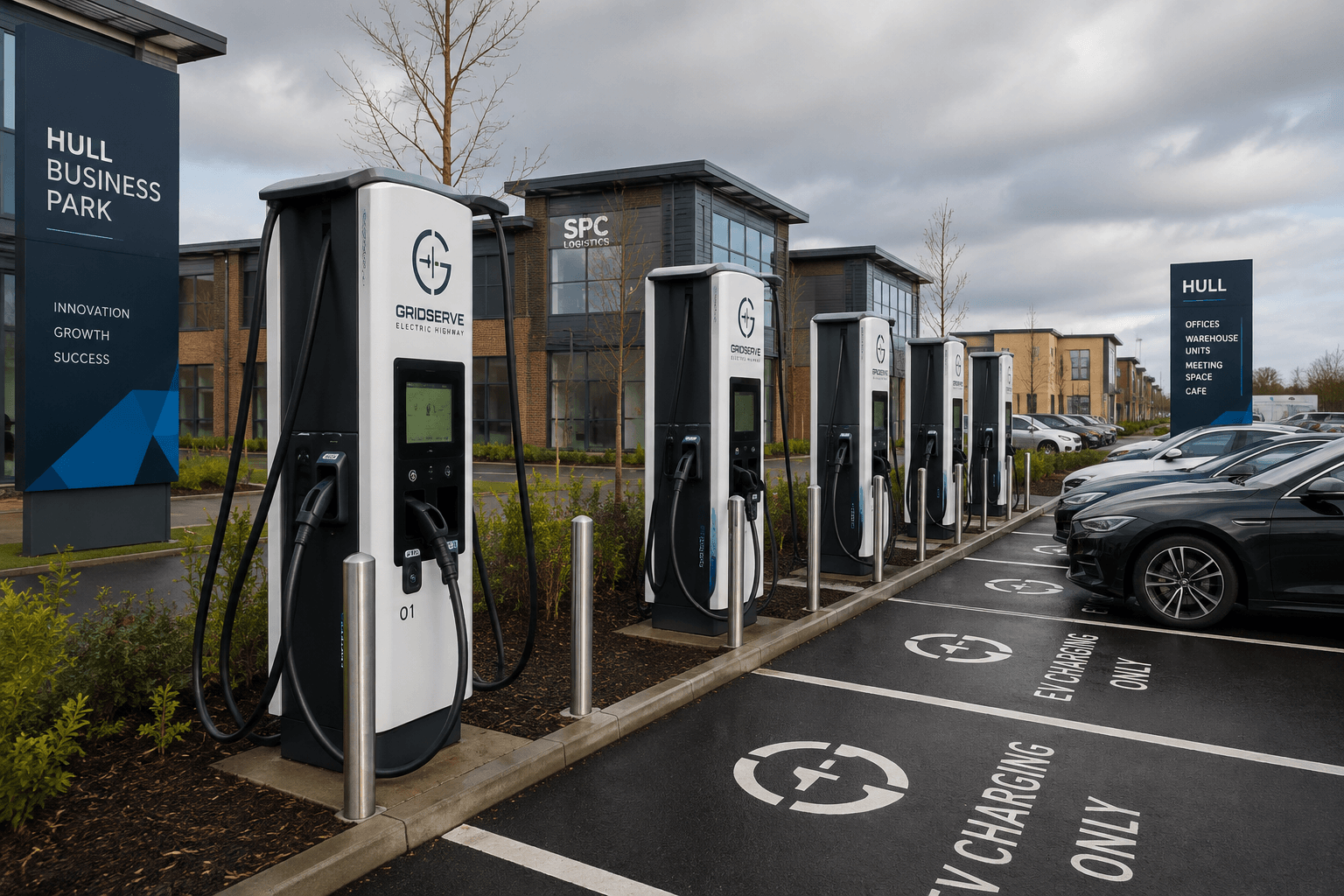
A. Not exclusively, though commercial landlord insurance is something we’re already well-known for, especially in Hull and North Lincolnshire. We’re also looking at owner-occupiers, be it shop owners, manufacturers, or logistics firms. Insuring commercial properties has become more complicated of late. As I highlighted in my property insurance guide, smart buildings connected to the internet bring cyber threats, while EV charging facilities, battery storage, and environmental protection mean it’s not just about having buildings and public liability cover in place. Our service will provide comprehensive commercial property insurance that covers existing and emerging risks.
Q. Is it a national offering or are you looking to Hull and the Humber?
A. Both, really. While we’ve always had regional offices, our clients have always been spread across the UK. Demand for commercial property cover has grown steadily, particularly among clients operating in the industrial, logistics and port-related sectors of Hull, the Humber, and Lincolnshire. Developments like the Humber Freeport will continue to transform the region’s economy and stimulate demand. LanzaTech’s £600 million sustainable aviation fuel facility and Mitsubishi Chemical Group’s £250 million expansion at the Saltend Chemicals Park will attract hundreds of specialist support businesses that will need the bespoke, hi-tech property insurance cover our team can provide.
Q. You said fleet insurance is still an important part of the business. Do you think driverless fleets will be on our roads soon?
A. Yeah, definitely. Driverless taxi trials are happening in London and Manchester, and driverless trucks have been on construction sites since 2014. Tesla’s Full Self-Driving (FSD) Supervised could be rolled out later this year, and while driverless trucks need Vehicle Certification Agency authorisation, they’re also coming our way.
There’s been a debate as to who pays for the insurance of a driverless vehicle – is it the owner, the manufacturer, or the software provider? From what I’ve read, it depends on the type of vehicle and whether it’s in autonomous mode when a claimable incident occurs. For driverless taxis, it’s the operating company or fleet provider that handles liability and insurance, but if a software failure caused the incident, the insurer may recoup costs from the software provider. Time will tell, but I think it will be the owner who takes out cover, and claims may lead to insurers claiming money back
Q. You intend to double the size of the business by 2031. How will you achieve that?
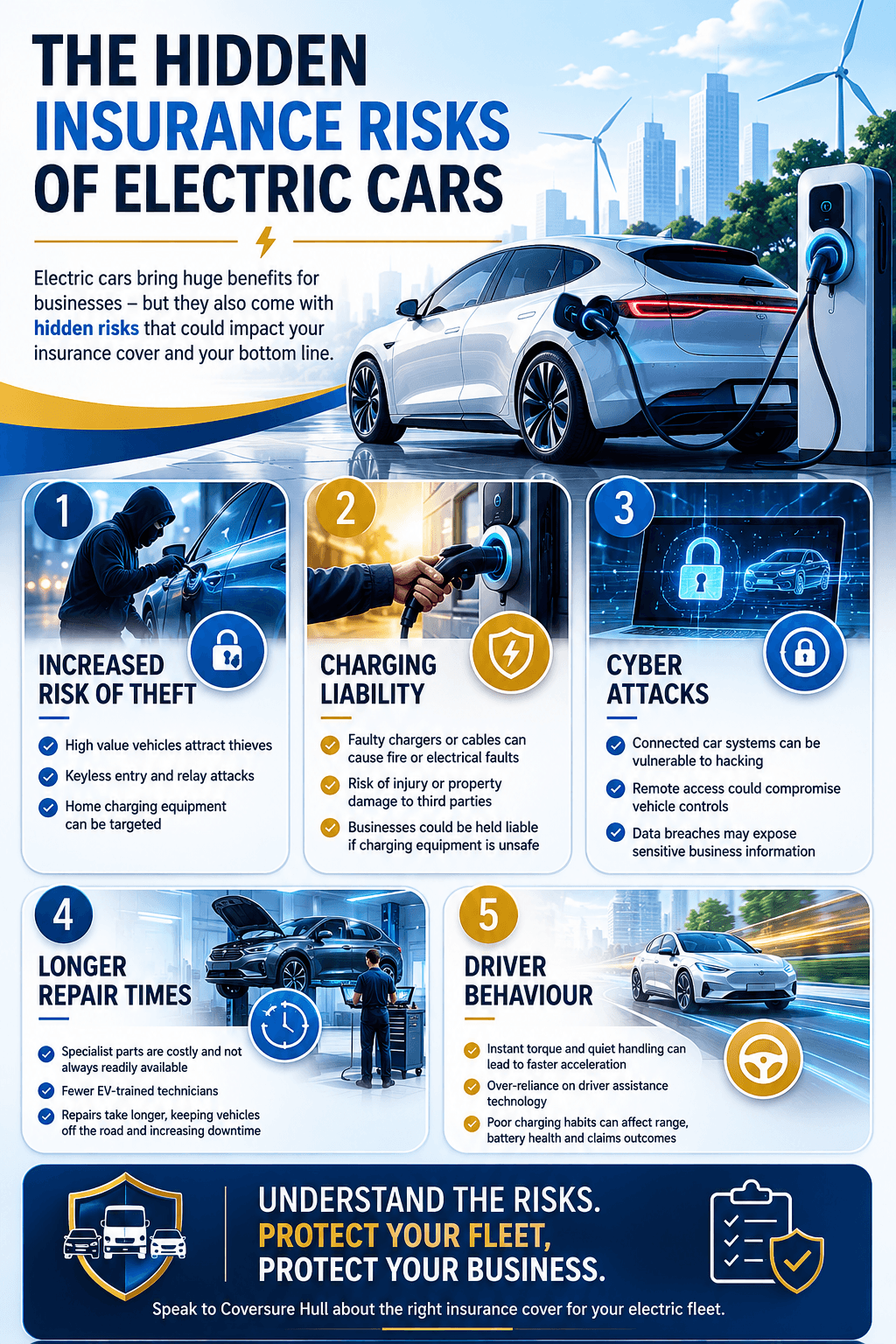
A. The property division will certainly play a major part, but there are plenty of opportunities in other areas such as commercial insurance. According to the Association of British Insurers, only 7% of UK businesses have designated cyber insurance, yet 43% are hit by an attack each year. AI and the Internet of Everything will make the situation much worse. Then there’s the logistics industry. As well as being vulnerable to cyber-attacks, it faces challenges insuring electric HGVs, hydrogen-powered trucks, and eventually driverless trucks.
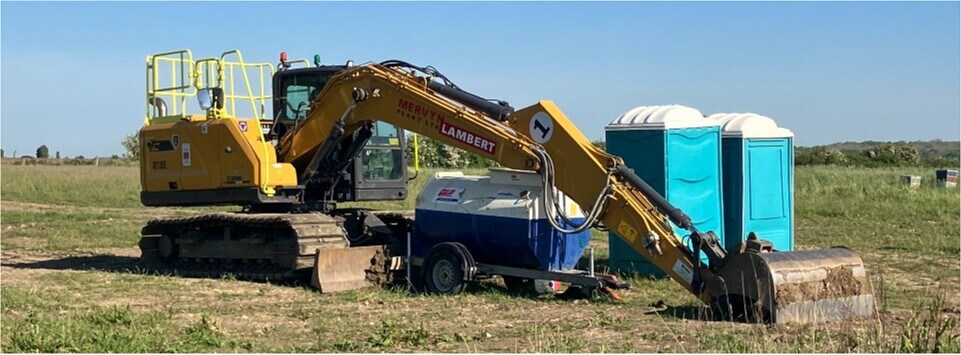
The other big growth area for us will be construction insurance. This is another sector that’s set to be transformed. Driverless plant vehicles, underwriters looking more closely at the environmental risks associated with buildings, the cybersecurity of smart properties, solar panel insurance, heat pump insurance, and climate change insurance are all going to become issues that the industry needs to insure against, and we’ll be here to help.
Q. So despite all these technological changes you’ve mentioned and the changing face of the world of commerce, logistics, property, and construction, do you think people will need insurance brokers in a few years? Won’t AI be able to do all the work for them?
A. Would it surprise you if I said no?! When the internet arrived, some people wrote off insurance brokers. Computers would do it all, and everyone would get their cover from the comfort of their sofa. Now, while a lot of car and home insurance has gone that way, it’s not really affected complex commercial cover. If you’re insuring a block of flats, a factory, or a fleet of trucks, you need to speak to an expert. AI’s an amazing development; I use Claude all the time, but it can’t make judgements and assessments like a human can. As buildings and businesses become more complex and risk-ridden, so there’ll be a greater need for human insurance brokers, not less.
Thanks, Andy, and good luck!
Giles