Solar Panels On Commercial Properties: 10 Insurance Risks Every Landlord Should Know
Solar panels are becoming a common feature on commercial buildings. Commercial landlords know installing them can reduce energy bills, attract tenants by reducing their energy bills, help with sustainability targets, and future-proof their properties. What they don’t know is that installing solar panels on buildings can increase their commercial property insurance risks and even invalidate policies. Department for Energy Security and Net Zero (DESNZ) figures show installations have risen by around 142% since December 2021, leaving more landlords at risk.
To help solve this growing issue, commercial property insurance expert Andy Price Dip. CII has put together this landlords’ guide to solar panel insurance. In it, Andy looks at the top 10 risks that landlords need to be aware of and gives helpful suggestions as to how they can cut the cost of cover.
We hope this will prove useful, but if you’d like personalised, independent advice, then please get in touch. You can call our award-winning team on 01482 434343, get a solar panel insurance quote, or request a callback.
For a broader explanation of the cover available, see our Complete Guide to Property Insurance 2026, including its dedicated solar panel insurance section.
Why Are Commercial Landlords Installing Solar Panels?
For many commercial landlords, rooftop solar is becoming an increasingly attractive investment. Commercial properties such as offices often have ample roof space that can handle the extra weight, while factories, warehouses, logistics hubs and shopping centres have large spaces that can be used to generate an income without using land.
The main reasons for the growth in the number of solar panels being installed by commercial landlords are:
- Reduced energy costs – privately generated solar-powered electricity typically costs about 7 to 9 pence per kWh compared to 22 to 35 pence per kWh for electricity bought from the National Grid
- Improved tenant appeal – cheaper energy bills combined with sustainability make them attractive to potential tenants
- Extra income – thanks to warmer, sunnier weather, and more efficient solar panels, installations can now generate a surplus allowing landlords to sell energy back to the grid or to tenants, earning anything from 3-15p per kWh
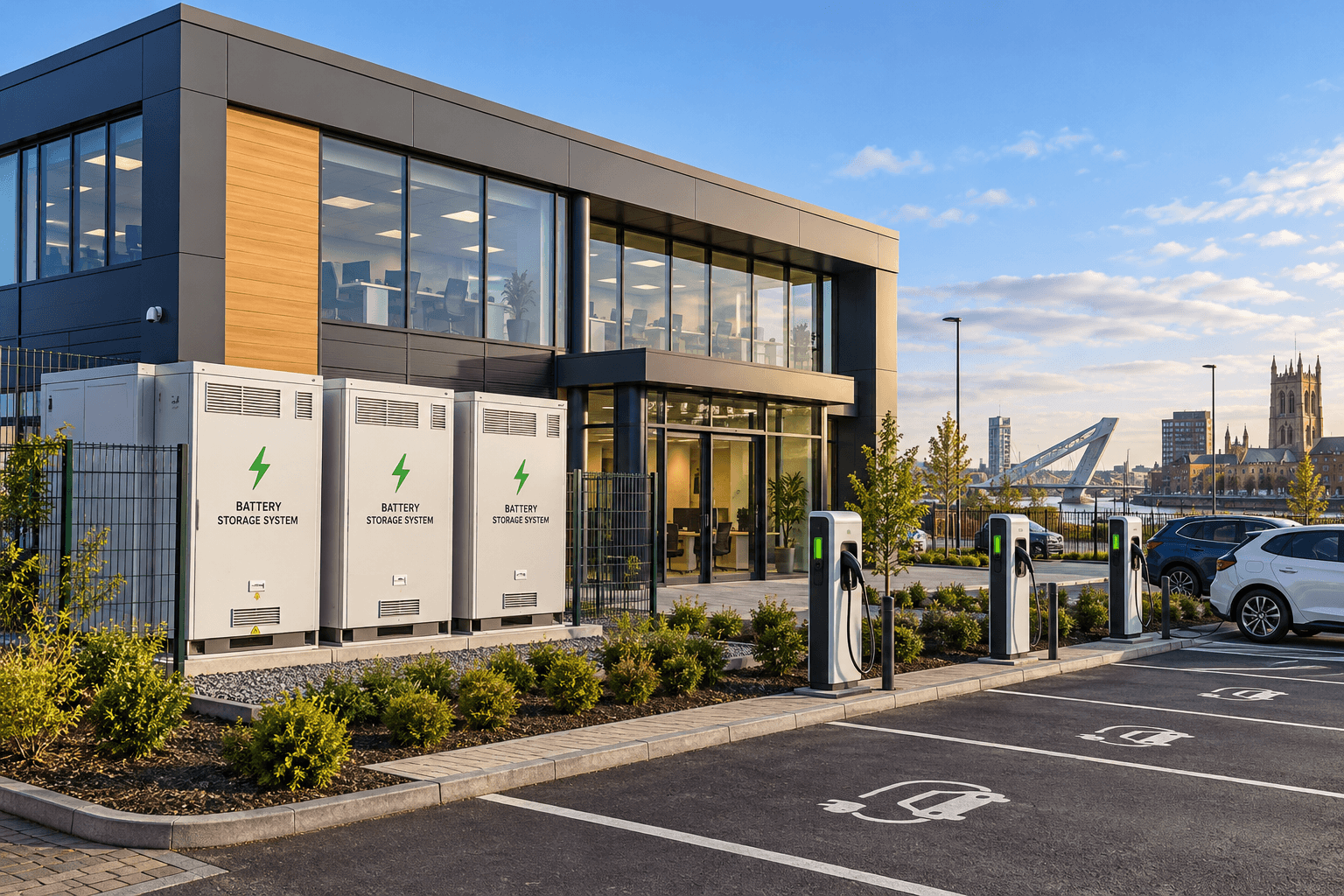
- Greater energy resilience – when combined with Battery Storage Systems (BSS), solar installations can contribute to a property’s energy resilience, something that businesses are becoming more conscious of in the wake of recent cyber-attacks
- Long-term investment potential – installations can improve a property’s commercial appeal, especially over the long term. While panels aren’t cheap to install, a large office building is likely to cost between £40-£55,000, they can generate a low-cost income for over 30 years
Of course there’s no such thing as a free lunch, and when it comes to solar panels, there are several issues that commercial property owners need to be aware of, including:
- Increased Risk Of Fire
From an insurer’s perspective, increased fire risk is top of their agenda when it comes to solar panels. While professionally fitted and maintained systems can be trouble-free for years, faults in connections, cabling, and inverters, along with extreme weather, can cause electrical arcing and fires.
Fires on rooftop installations are particularly problematic. They are much harder to put out and can also damage the building’s structure. Research commissioned by the Building Safety Regulator in February 2026 looked at how rooftop photovoltaic systems can affect fire spread. It found the space between panels and roof surfaces can alter heat exposure and influence fire behaviour. Roof construction, panel arrangement and installation design are therefore important considerations when installing systems. This is particularly important for commercial properties as they may house combustible stock and/or many people, meaning a commercial landlord’s liability insurance risks are significantly higher than for a residential landlord.
How Commercial Landlords Can Reduce The Risk Of Solar Panel Fires
Landlords should:
- Get a professional fire assessment
- Check with the supplier that the proposed system is compatible with the roof construction
- Notify their insurer/insurance broker before proceeding to ensure they are covered. Insurers may impose additional conditions depending on the building’s construction, occupation and the proposed solar system
- Use accredited installers
- Ensure access and isolation arrangements for maintenance and emergency responders are in place
- Carry out regular inspections and maintenance
- Risk From Extra Weight
A commercial solar panel weighs between 25kg and 35kg. Add to that the cabling, inverters, junction and combiner boxes, and you have quite a weight. Many modern buildings have been built to carry extra weight, be it phone masts or cleaning gantries, but older ones and warehouses aren’t, and they may require additional structural assessment. Flat roofs are also a problem as some mounting systems use ballast rather than penetrative fixings. Landlords must also consider the combined effects of wind loading, snow loading, existing roof equipment and the proposed installation.
What Should Landlords Do?
Before approving a solar installation:
- Ask the supplier for the total weight of the system
- Get a structural engineer’s assessment, establish the roof’s remaining service life and determine whether reinforcement is necessary. If it’s approaching the end of its life, replacing it before installing solar panels may be more economical than removing and reinstalling the system in a few years’ time
- Review the mounting system and wind-loading calculations
- Confirm that the installation won’t compromise roof warranties or waterproofing
- Notify their insurer/insurance broker before proceeding to ensure they are covered. Insurers may impose additional conditions depending on the building’s construction, occupation and the proposed solar system. Damage caused by inadequate structural capacity may be excluded from your cover or even invalidate the policy
- Who’s Responsible For Insuring Solar Panels On A Rented Commercial Property?
This is particularly important where tenants arrange or finance solar installations. The answer depends on who owns the equipment, the terms of the lease and the insurance, but there are three common scenarios:
- The landlord owns them – the landlord will need to arrange solar panel insurance, either as an extension to their commercial property policy or as a standalone policy
- The tenant owns them – so the tenant takes out the insurance. The lease should state who is responsible for insuring equipment, maintaining it, repairing roof damage and removing the system when the tenancy ends. The landlord will need to ensure that there aren’t any risks to them with their buildings insurance
- A third-party owns – the third-party will usually insure the equipment, but again the landlord will need to ensure that there aren’t any risks to them with their buildings insurance
Will The Addition Of Solar Panels Cause Property Underinsurance Issues?
According to Aviva, between 67% and79% of UK commercial properties are underinsured. The main reason for this is that the property’s rebuilding limits, the cost of reinstating a property if it’s destroyed, are too low. Installing solar panels will increase the total value of the property and must be factored into the commercial property insurance policy limits. Failure to review the sums insured could leave a landlord facing a shortfall after a major claim. These shortfalls can easily run into tens of thousands, if not hundreds of thousands, of pounds.
How Can Landlords Avoid Underinsurance?
- Get a valuation of the equipment and tell your broker/insurer about the installation before work starts
- Contact your insurance broker and get them to arrange a rebuild assessment for you
- Establish whether the panels are insured as buildings, plant or separate equipment
- Review the building’s reinstatement valuation
- Get a fresh commercial landlord insurance quote once the work’s been completed
For more information about commercial buildings cover, see our Property Insurance Guide.
- What Happens If Solar Panels Damage The Roof?
Problems may arise from incorrectly installed fixings, damaged waterproof membranes, inadequate drainage or movement in mounting equipment. These can cause leaks that damage interiors and contents and lead tenants to make business interruption and relocation claims. Again, it’s important to check your policy with your broker to ensure you’re protected against these risks.
How Can Landlords Reduce Roof Damage Risks?
Ask installers to assess the roof’s condition, use suitable mounting systems and protect existing waterproofing arrangements. The installation contract should set out responsibility for defects and damage during installation, and landlords should keep detailed installation records, photographs, warranties, and maintenance documentation in case a claim arises. Commercial property insurance often excludes gradual deterioration and defective workmanship, so it’s important to know they are protected.
- Could Solar Panel Damage Reduce Rental Income Through Business Interruption?
One of the biggest insurance risks for commercial landlords and solar panels is business interruption. If a serious incident, such as an electrical fire, renders the building unusable, they may have to relocate clients to other premises or suspend rents while building work is undertaken. Landlords should review their loss of rent, business interruption, and tenant relocation insurance with their broker to ensure that claims arising from solar panels are covered.
What Should Loss Of Rent Insurance Include?
When it comes to loss of rent insurance, it’s important to check:
- If the business interruption must result from insured property damage – solar panels will need to be on there
- The maximum amount of rent covered – a fire can lead to long-term closure
- The indemnity period available
- Whether the period allows sufficient time for roof and electrical repairs – solar panels need specialist services
- Any applicable exclusions or waiting periods.
Commercial landlords receiving income from electricity generation should also check whether lost generation revenue can be insured separately. Again, this won’t be included on standard commercial landlord insurance, so it’s worth checking before you install the system.
- Increased Risk Of Public Liability Claims
Being sited on a roof and exposed to the elements, systems are subject to damage from wind, rain, and extreme temperatures. If parts become loose or are ripped from their moorings and fall to the ground, this could lead to public liability insurance claims. Insurers will need to be made aware of the existence of the equipment and may want a survey and may increase your public liability insurance premiums to cover the additional risks.
Practical Risk-Reduction Measures
Commercial landlords should:
- Use suitable mounting systems designed for local wind conditions
- Conduct regular inspections of panels and fixings and document their findings for insurers
- Secure access arrangements to avoid tampering or vandalism
- Protect cabling and inverters
- Undertake prompt repairs following storm damage
- Erect barriers at the roof’s perimeter to prevent things from being blown to the ground
- That property owners’ liability limits are appropriate
- Whether the solar system creates additional exposures requiring disclosure
- Whether lease and installation agreements allocate responsibilities clearly
Landlords should also consider professional advice when entering into long-term roof leases or third-party solar agreements.
Planning Permission
Planning permission isn’t usually required in England and Wales as they fall under Permitted Development (PD) rights. That said, if the system’s capacity is over 50 kWh, on a listed building, or in a conservation area, permission must be given.
Landlords should also check whether they need:
- Building Regulations approval or evidence of compliance.
- Landlord, freeholder or lender consent.
- Distribution Network Operator approval or notification.
- Relevant electrical installation certification.
- Permission under existing lease arrangements.
A landlord installing solar panels on a tenanted warehouse may need to consider both planning requirements and the tenant’s rights under the lease. Insurers will request evidence of appropriate approvals, certification and compliance before offering cover.
What’s Covered By Solar Panel Insurance?
Commercial solar panels can remain operational for decades, but components may require replacement. Inverters, monitoring systems, mounting equipment and electrical connections can need maintenance or renewal during the installation’s life. Landlords should also consider what happens when the roof requires replacement. Removing and reinstalling a large commercial solar array is expensive and will interrupt electricity generation/supply, which can lead to business interruption and create additional public liability issues.
Questions To Ask Before Installation
Landlords should establish:
- How long the existing roof is expected to last
- Whether panels can be removed and reinstalled economically and without business disruption
- Who pays for removal during roof maintenance
- Who is responsible for eventual decommissioning and disposal
- What the effect will be on commercial landlord insurance premiums
Solar Panels On Commercial Properties: An Insurance Checklist For Landlords
Before installing solar panels, commercial landlords should work through the following checklist.
- Notify your insurer – detail the installation and obtain confirmation of any changes to cover or conditions and any increases in premiums
- Check the roof – arrange for a structural and condition survey before committing to installation
- Review fire risks – consider roof construction, electrical design and emergency access
- Confirm ownership – establish who owns equipment and who is liable in the event of a problem
- Check the lease – agree responsibilities for maintenance, insurance, repairs, installation and removal
- Review reinstatement values – ensure the building and equipment are insured for appropriate rebuild and contents amounts
- Consider lost income – review loss of rent, business interruption levels, and any electricity generation income and ensure these are accounted for and covered
- Check public liability protection – make sure that any incidents associated with the system are covered
- Keep records – retain certificates, warranties, maintenance records and installation documentation so you can present them to insurers
- Review cover regularly – reassess insurance whenever the system is modified, expanded or transferred
Commercial Solar Panel Insurance: Frequently Asked Questions
Q. Do I Need To Tell My Commercial Property Insurer Before Installing Solar Panels?
A. Yes. Landlords should notify their insurer before installation. The insurer may need details of the system’s value, size, roof construction, installation method and electrical arrangements. Cover and conditions may change.
Q. Can My Tenant Install Solar Panels Without My Permission?
A. This depends on the lease and applicable property law. Many commercial leases restrict alterations or require landlord consent. Landlords should obtain legal advice and agree on insurance responsibilities before approving an installation.
Q.Will Installing Solar Panels Increase My Commercial Property Insurance Premium?
A.It may. Insurers consider the additional equipment value, roof construction, fire exposure, installation quality and other risks. Some installations may be accommodated within existing arrangements, while others require revised terms or specialist cover.
Q.Who Insures Solar Panels Installed Under A Power Purchase Agreement?
A. The solar operator may insure equipment it owns, but the landlord should still notify the building insurer. The agreement should clarify responsibility for property damage, liability, maintenance and removal.
Q. Can Solar Panels Affect My Building’s Reinstatement Value?
Yes. Where the landlord is responsible for reinstating the solar installation, the relevant equipment and associated costs should be reflected in the insurance arrangements.
Q.Will My Insurance Cover Removing Solar Panels To Repair The Roof?
A.It depends on the cause of the repairs and the policy wording. Removal and reinstatement following insured damage may be covered, while work required because of ordinary deterioration or maintenance may not be.
Q.Are Solar Panels On Flat-Roofed Warehouses More Difficult To Insure?
A. Not necessarily, but insurers may pay particular attention to roof construction, fire performance, loading, mounting systems, waterproofing and maintenance access. Some installations may require specialist assessment.
Q.Does Solar Panel Insurance Cover Lost Electricity Generation Income?
A.Some specialist renewable energy policies cover lost generation income following insured damage. This isn’t automatically included in commercial buildings insurance and should be checked separately.
Protecting Your Commercial Property And Solar Investment
Solar panels can offer commercial landlords valuable opportunities to reduce energy costs, attract tenants and generate additional income. However, installing solar equipment also changes the risk profile of a commercial building. Roof condition, fire safety, lease arrangements, equipment ownership and insurance values all need careful consideration. For landlords with several properties, these issues can become particularly complex, especially where different tenants or third-party operators own and maintain the installations.
Andy Price Dip.CII
Managing Director
Like Some More Help?
At Coversure, we understand the challenges facing commercial property owners and landlords. Our experienced team can help review your existing insurance arrangements, identify potential gaps and explore suitable cover for buildings with solar installations.
For more information about the types of protection available, you can call us on 01482 434343 or request a callback. You can also read our Complete Guide to Property Insurance 2026 or our Guide to Renewable Energy Property Insurance.